Understanding Scissor Lift
What is a Scissor Lift?
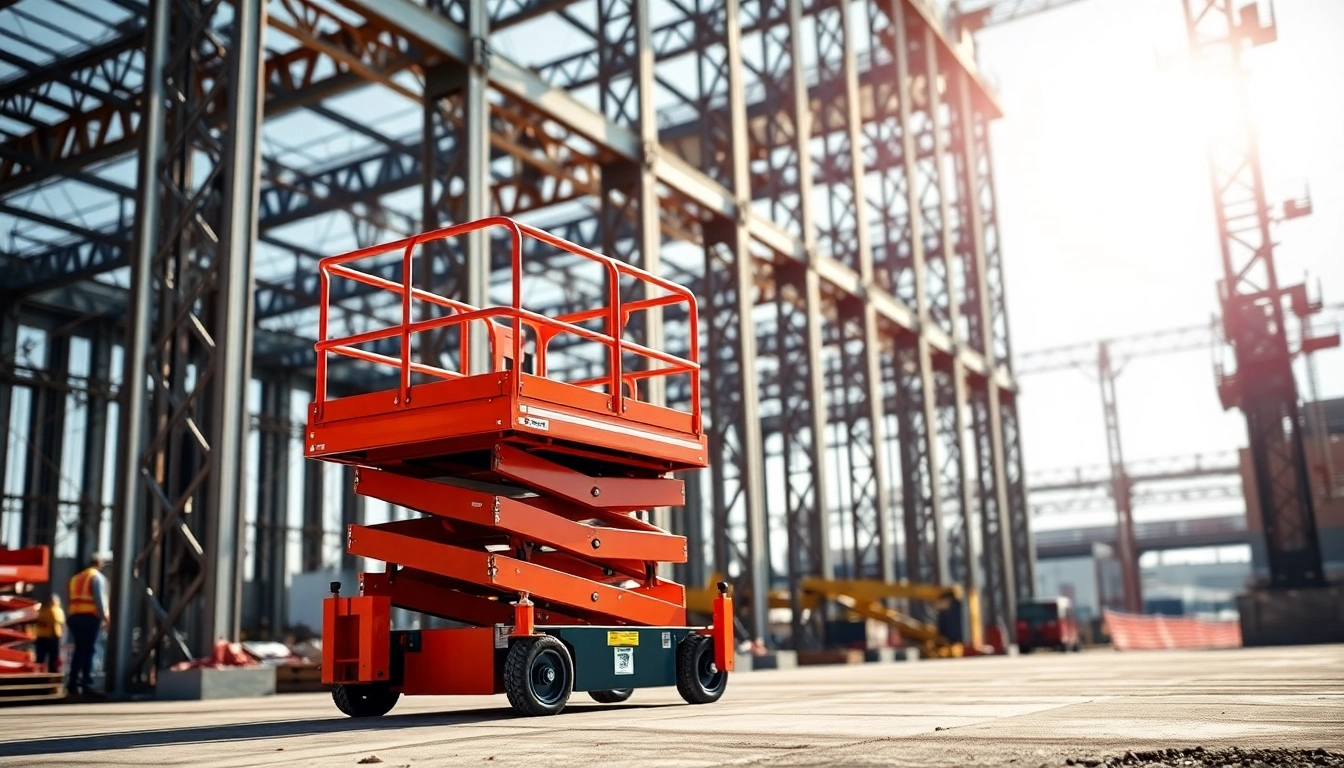
A scissor lift is a type of aerial lift used to raise workers and equipment to elevated heights, making them an essential tool in construction, maintenance, and various industrial applications. Named for their unique crisscrossing mechanism that resembles a pair of scissors, these lifts provide a stable platform that can extend vertically, rather than moving horizontally like a boom lift. The design allows them to reach significant heights while maintaining a compact footprint, making them suitable for both indoor and outdoor work environments.
Types of Scissor Lift
Scissor lifts come in several types, each designed for specific applications and environments:
- Electric Scissor Lifts: Ideal for indoor use, these lifts are quieter and produce zero emissions, making them suitable for facilities such as warehouses and shopping centers.
- Rough Terrain Scissor Lifts: Built with heavier wheels and robust frames, these models are designed to maneuver on uneven surfaces outdoors, often featuring all-wheel drive capabilities.
- Slab Scissor Lifts: These are typically used on flat surfaces, providing great stability and range of motion, perfect for tasks like indoor maintenance or construction.
- Multi-Position Scissor Lifts: These versatile models can adjust their height and width, allowing for more flexible applications in confined spaces.
Common Uses for Scissor Lift
Scissor lifts are commonly used in various sectors, including:
- Construction: For tasks such as installing ceilings, electrical work, and painting at heights.
- Maintenance: Ideal for cleaning windows and performing repairs on high-rise buildings.
- Warehousing: Used extensively to access high shelving and facilitate inventory management.
- Film and Theatre: Helpful in setting up lighting and props in elevated areas.
Benefits of Using Scissor Lift
Efficiency in Projects
One of the primary advantages of using a scissor lift is the enhanced efficiency in project execution. By allowing multiple workers and significant materials to be raised at once, they can reduce the number of trips needed, minimizing time spent in transit. This is particularly beneficial in locations that require frequent elevation changes, ultimately accelerating project completion.
Enhanced Safety Features
Safety is a crucial consideration in any work environment. Scissor lifts are designed with several safety features, including guard rails, anti-slip platforms, and stability controls. Many models also come equipped with sensors that prevent the lift from operating if not on stable ground, reducing the risk of accidents.
Cost-Effectiveness
Investing in a scissor lift can lead to significant cost savings over time. They reduce labor costs by allowing workers to carry out tasks more efficiently, and their multi-functional capabilities reduce the need for multiple types of equipment. Additionally, renting a scissor lift can be a financially viable option for short-term projects, allowing businesses to allocate resources strategically.
How to Choose the Right Scissor Lift
Assessing Project Needs
Before selecting a scissor lift, assessing the specific needs of your project is crucial. Consider factors such as the type of work to be performed, the environment (indoor or outdoor), and the frequency of use. Understanding the scope of your project will help determine the features required from the lift.
Height and Load Capacity Considerations
Different projects require different height capabilities and load limits. Evaluate the maximum height needed to accomplish your tasks safely and check the weight capacity to ensure all materials and personnel can be lifted effectively. Most scissor lifts have varied models offering capacities from a few hundred to several thousand pounds.
Electric vs. Rough Terrain Models
When deciding between electric and rough terrain models, consider the working conditions. If indoors, electric models are preferable due to their compact size and zero emissions. Rough terrain models, on the other hand, are suitable for outdoor operations where the ground may be uneven, offering better traction and stability.
Operating a Scissor Lift Safely
Pre-Operation Safety Checks
Prior to operation, it is vital to conduct thorough safety checks. Inspect the lift’s mechanical parts, verify the function of controls, and ensure that safety features are operating correctly. It is also essential to check for any environmental factors that may affect operation, such as wind speed and ground stability.
Safe Operating Procedures
When operating a scissor lift, follow all recommended safety procedures. This includes wearing appropriate personal protective equipment (PPE), utilizing the lift within its intended capacity, and ensuring no overhead obstructions exist. Always maintain three points of contact when entering or exiting the lift and avoid leaning over guardrails.
Troubleshooting Common Issues
Understanding basic troubleshooting can help operators address common issues, such as unexpected stops or controls malfunctioning. Familiarize yourself with the lift’s operational manual, and be prepared to contact a professional service if recurring issues arise.
Frequently Asked Questions about Scissor Lift
What is a scissor lift used for?
A scissor lift is used primarily for elevating personnel and materials at various heights in construction, maintenance, and industrial settings.
How high can a scissor lift reach?
The reach of a scissor lift varies significantly, generally ranging from 10 to 70 feet, depending on the model and type.
Is a scissor lift safe for indoor use?
Yes, many scissor lifts are specifically designed for indoor use, particularly electric models that produce no emissions.
What are the weight limits for a scissor lift?
Weight limits range broadly, typically from 500 to 3,500 pounds, depending on the specific lift model and its capacity ratings.
How to maintain a scissor lift?
Regular maintenance involves checking mechanical systems, inspecting for damage, cleaning components, and ensuring all safety features are functional.
Contact Information
Call Us: 4062607988Address: 3906 MT-40, Columbia Falls, MT 59912