Understanding Machined Stainless Steel Parts
Machined stainless steel parts have become a cornerstone in modern manufacturing, offering exceptional durability and versatility across various industries. These components are engineered through precise machining processes, allowing manufacturers to meet stringent specifications and tolerances. At Honscn, we pride ourselves on being your premier partner for CNC custom-machining services since 2003. Our focus on quality and craftsmanship ensures that when you order machined stainless steel parts, you receive products tailored to your unique needs.
What Are Machined Stainless Steel Parts?
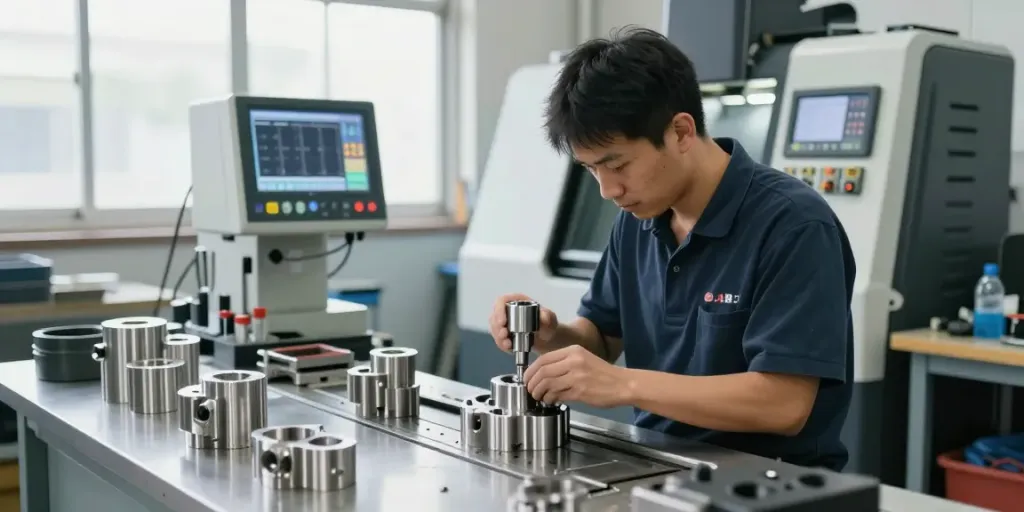
Machined stainless steel parts refer to components that are shaped and finished using CNC (Computer Numerical Control) machining techniques. These parts are typically crafted from high-quality stainless steel alloys, chosen for their corrosion resistance and mechanical properties. The machining process can include techniques such as milling, turning, and drilling, resulting in precise and complex geometries that are essential for various applications.
Key Benefits of Stainless Steel in Manufacturing
- Corrosion Resistance: Stainless steel's inherent properties make it resistant to rust and corrosion, making it ideal for industries that operate in harsh environments.
- High Tensile Strength: These materials can withstand considerable stress and load, which is critical for components used in structural applications.
- Durability: Machined stainless steel parts maintain their integrity over time, ensuring longevity and reliability.
- Hygienic Properties: For medical and food processing applications, stainless steel's non-porous surface promotes hygiene and easy cleaning.
Common Applications Across Industries
The versatility of machined stainless steel parts makes them indispensable in several sectors, including:
- Medical: Used in surgical instruments and implantable devices, where purity and biocompatibility are paramount.
- Food Processing: Ensures that equipment remains hygienic and operates effectively, vital for health standards and regulations.
- Chemical Engineering: Parts resistant to aggressive substances, contributing to safety and reliability in chemical handling systems.
- Aerospace: Components that require both light weight and structural strength, critical for performance and safety in flight operations.
The CNC Machining Process Explained
CNC machining distinguishes itself through the use of computer software to control machinery and tools for manufacturing components with precision. This advanced technology not only accelerates the production process but also enhances accuracy, allowing manufacturers to produce intricate geometries that would be challenging to achieve through traditional methods.
How CNC Machining Works for Stainless Steel Parts
The CNC machining process begins with a 3D model created using CAD (Computer-Aided Design) software. This model is then transformed into machine language, allowing the CNC machinery to understand the cutting paths necessary to achieve the desired shape. Stainless steel parts undergo multiple stages of machining, including roughing, finishing, and quality control, ensuring that every piece meets the specified tolerances.
Choosing the Right CNC Technology and Tools
Selecting the appropriate CNC technology and tools is critical for achieving the desired finish and functionality of stainless steel parts. Factors to consider include:
- Material Grade: Different stainless steel grades offer varying machinability; for instance, 304 stainless steel is often easier to machine than 316 due to its lower nickel content.
- Tooling: The selection of the right cutting tools can significantly affect the efficiency and quality of machining.
- Machining Techniques: Techniques such as high-speed machining or multi-axis machining can enhance the capabilities of CNC processes, allowing complex parts to be produced efficiently.
Precision and Tolerance Standards in Production
Maintaining high precision and strict tolerance standards in machining is vital, especially for applications in sectors like aerospace and medical. Tolerances can be as tight as ±0.002 inches, necessitating rigorous quality checks throughout the manufacturing process. Honscn employs state-of-the-art quality control measures to ensure that all machined stainless steel parts are within the required specifications.
Quality Control in Stainless Steel Machining
Quality control is an essential aspect of the CNC machining process, particularly when producing stainless steel parts that must meet strict industry standards. Consistency and reliability are critical, and at Honscn, we prioritize quality assurance to meet customer expectations.
Importance of Quality Control Measures
Quality control measures involve systematic processes that ensure every machined component meets the required specifications. These measures include inspections at various stages of production, from the initial design phase through to final assembly.
Testing Methods for Machined Components
Common testing methods for ensuring the quality of machined stainless steel parts include:
- Dimensional Inspection: Using precision tools to verify that parts meet specified measurements and tolerances.
- Visual Inspection: Checking for surface defects, such as scratches or signs of corrosion.
- Material Testing: Conducting tests to confirm the material properties, such as tensile strength and corrosion resistance.
Case Studies of Quality Assurance Successes
Honscn has successfully managed projects in various industries, showcasing our commitment to quality. For instance, our collaboration with a leading medical device manufacturer required stringent tolerance standards, where we were able to achieve a zero-defect rate through our detailed quality control processes.
Challenges in Machining Stainless Steel
While the benefits of machined stainless steel parts are numerous, the process can present challenges that manufacturers must address to ensure successful outcomes. Understanding and overcoming these difficulties is essential for maintaining efficient production and high standards.
Overcoming Common Machining Difficulties
Some of the common challenges encountered include tool wear, machining speed, and the risk of work hardening. To mitigate these issues, we employ advanced tooling techniques and optimized cutting parameters, ensuring smooth operation and less downtime.
Material Limitations and Workarounds
Stainless steel's mechanical properties can sometimes complicate fabrication. For example, certain grades may require specialized tools or slower machining speeds to prevent overheating and tool failure. By implementing adaptive machining strategies, we can enhance efficiency without compromising quality.
Future Innovations in Machining Technology
The evolution of CNC machining technology continues to introduce innovative methods that improve productivity and precision. Trends such as automation and AI-driven machining are shaping the future landscape, driving efficiencies and enhancing the capabilities of manufacturers in the production of machined stainless steel parts.
Looking Ahead: The Future of Machined Stainless Steel Parts
As we look towards 2026, several trends are set to define the future of machined stainless steel parts. Manufacturers need to stay ahead of these developments to remain competitive and responsive to market demands.
Market Trends and Customer Demands for 2026
Increased demand for custom solutions tailored to specific applications is anticipated. This demand is driven by industries seeking greater efficiency and performance from their components. Companies like Honscn will need to adapt quickly to these evolving needs while maintaining the quality and precision that clients expect.
The Role of Sustainability in Manufacturing
Sustainability considerations are becoming increasingly important in manufacturing processes. As awareness of environmental impacts grows, the demand for sustainably sourced materials and eco-friendly manufacturing practices is on the rise. Innovative approaches to recycling and waste management will become critical for manufacturers producing machined stainless steel parts.
Emerging Technologies Impacting Production Methods
Advancements in 3D printing and additive manufacturing are poised to transform how stainless steel parts are produced. These technologies can provide significant benefits by reducing material waste and enabling intricate designs that were previously challenging or impossible to create using traditional methods.
What Materials Are Most Machinable in 2026?
While stainless steel will remain a top choice for many applications, the emergence of new alloys and composites may introduce competition. Manufacturers will need to stay informed about material trends to ensure they select the best options for their projects.
How Can Industries Benefit from Custom Solutions?
Custom machining solutions allow industries to optimize their operations by producing parts that meet specific requirements. By partnering with experienced manufacturers, companies can enhance performance, improve efficiency, and reduce costs in the long run.