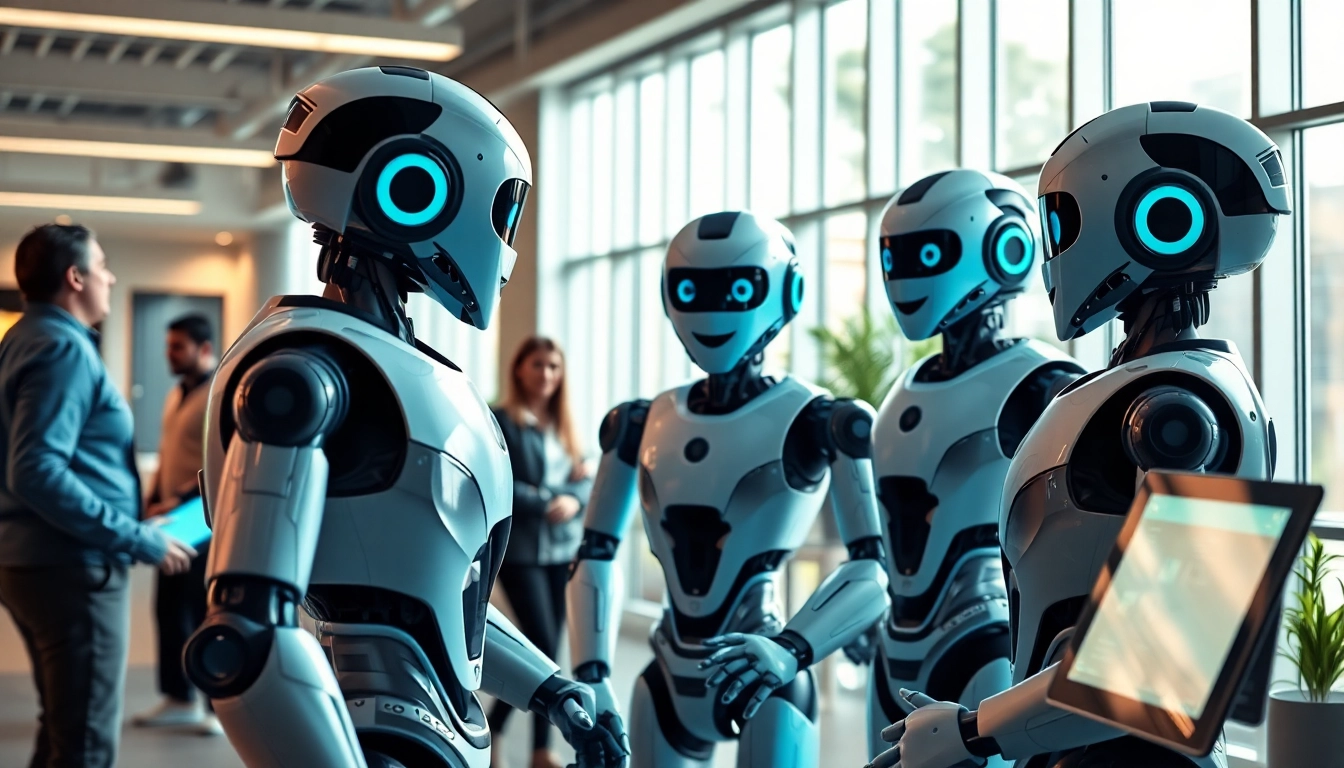
Understanding the Role of Ai Bots in Modern Workplaces
In recent years, the business landscape has witnessed transformative changes, and at the forefront of this evolution is the advent of Ai Bots. These intelligent systems have carved a niche in enhancing productivity, communication, and collaboration within various industries. As organizations strive to adapt to an increasingly digital environment, understanding the role of Ai Bots becomes essential for maintaining a competitive edge.
What are Ai Bots?
Ai Bots, or Artificial Intelligence Bots, are software applications designed to simulate human interactions through voice or text conversations. They use natural language processing (NLP), machine learning, and data analytics to provide responses and perform tasks based on user inputs. From chatbots assisting customers on e-commerce platforms to virtual assistants enhancing employee productivity, Ai Bots have become integral to modern business ecosystems.
The Evolution of Ai Bots
The journey of Ai Bots commenced several decades ago, transitioning from simple rule-based programs to sophisticated AI-driven technologies. Early iterations relied heavily on static scripts and could only respond to predetermined commands. The introduction of machine learning and deep learning has significantly advanced Ai Bots, allowing them to learn from interactions and provide tailored responses, thus enhancing user engagement and satisfaction.
Benefits of Implementing Ai Bots
Organizations that embrace Ai Bots can enjoy numerous benefits including increased efficiency, enhanced customer service, and reduced operational costs. Ai Bots operate 24/7, providing timely responses that enhance customer experience and satisfaction. Moreover, they free up human employees from mundane tasks, allowing them to focus on more strategic initiatives that require critical thinking and creativity.
How Ai Bots Transform Communication
Enhancing Team Interactions
In an era where remote work is becoming more prevalent, Ai Bots play a crucial role in facilitating team interactions. They can schedule meetings, send reminders, and provide updates on project status, thus minimizing communication gaps. By serving as a central point of communication, Ai Bots help teams collaborate efficiently, regardless of their physical locations.
Streamlining Customer Service
The customer service sector has witnessed remarkable changes due to Ai Bots. These applications handle high volumes of inquiries simultaneously, ensuring customers receive instantaneous support. By automating common queries and issues, Ai Bots enable human agents to concentrate on complex matters, thus improving service quality and resolution times.
Fostering Innovation through Dialogue
Moreover, Ai Bots can stimulate innovation within organizations by acting as catalysts for dialogue. They can analyze vast amounts of data and provide insights that foster collaboration and brainstorming. By supporting creative processes through facilitated discussions, Ai Bots help nurture a culture of innovation within teams.
Overcoming Common Challenges with Ai Bots
Addressing Miscommunication Issues
Despite their advantages, Ai Bots can sometimes lead to miscommunication, especially when misunderstood by users. Organizations must ensure that the Ai Bots are programmed with clear, concise responses that can handle ambiguities and nuances effectively. Continuous training and updates can also improve their accuracy and reliability.
Ensuring User Acceptance
User acceptance is critical in maximizing the benefits of Ai Bots. Employees may be hesitant to use new technologies due to fears of obsolescence or complexity. Organizations can foster acceptance by providing adequate training, showcasing Ai Bots' benefits, and integrating them seamlessly into existing workflows to demonstrate their value to users.
Data Privacy and Security Concerns
With the increasing reliance on Ai Bots comes the imperative concern of data privacy. Organizations must establish robust protocols to protect sensitive information shared with Ai Bots. Implementing encryptions, conducting regular security audits, and informing users about data usage policies can help mitigate privacy risks and build trust.
Best Practices for Implementing Ai Bots
Choosing the Right Ai Bot Technology
Selecting the right Ai Bot technology involves assessing organizational needs, understanding user requirements, and evaluating existing infrastructure. A well-matched Ai Bot can dramatically enhance operations, while a misaligned choice may lead to inefficiencies. Conducting thorough research and considering vendor capabilities is essential in making an informed decision.
Training Staff for Effective Collaboration
Successful Ai Bot implementation requires staff training to navigate new tools effectively. Organizations should develop comprehensive training programs that outline Ai Bots' functionality, best usage practices, and provide hands-on experience. Empowering employees with knowledge encourages them to leverage Ai Bots for improved collaborative outcomes.
Monitoring Performance and Adapting Strategies
Post-implementation, organizations must actively monitor Ai Bots' performance to assess their effectiveness. Collecting and analyzing feedback can provide valuable insights for adjustments and enhancements. Establishing clear performance metrics helps quantify the success of Ai Bots and informs ongoing strategies to refine their usage.
Future Trends in Ai Bots and Workplace Interaction
The Impact of Machine Learning on Ai Bots
Machine learning is rapidly shaping the future of Ai Bots. As they continue to learn from interactions, they become more adept at predicting user needs and personalizing responses. The integration of advanced algorithms will lead to more natural and intuitive interactions, further cementing Ai Bots as essential workplace tools.
Integration with Other Technologies
The future will likely see Ai Bots seamlessly integrated with various technologies, including augmented reality (AR), virtual reality (VR), and Internet of Things (IoT) devices. This convergence will enable innovative use cases, ranging from smart office assistants to interactive training environments, enhancing overall workplace productivity.
Predictions for Ai Bots in the Workplace
Looking ahead, one can anticipate an increase in Ai Bots capable of handling more complex tasks, such as emotional engagement and advanced problem-solving. As technology advances and user expectations evolve, Ai Bots will become even more sophisticated, paving the way for a future where they are ubiquitous in workplace dynamics.
Frequently Asked Questions
What are Ai Bots used for?
Ai Bots are used for a myriad of tasks including customer support, scheduling, data retrieval, and even complex interactions like troubleshooting and providing personalized recommendations.
How do Ai Bots improve customer service?
Ai Bots improve customer service by providing instant responses to inquiries, handling multiple requests simultaneously, and enabling human agents to focus on more complex issues.
Can Ai Bots learn from user interactions?
Yes, Ai Bots utilize machine learning to analyze previous interactions, adapt responses, and continuously improve their effectiveness in engaging with users.
What steps are necessary to implement Ai Bots effectively?
Effective implementation involves selecting suitable technology, training staff, ensuring data security, monitoring performance, and continuously refining strategies based on feedback.
Are there any privacy concerns with Ai Bots?
Yes, data privacy is a significant concern when using Ai Bots. Organizations must ensure compliance with regulations and safeguard user data with appropriate security measures.