Understanding GPU Computing for AI Infrastructure
As artificial intelligence continues to revolutionize industries, the need for robust computing power has never been more critical. Central to this transformation is GPU computing, a technology that allows for parallel processing and efficient handling of complex computations. In the AI Token Economy, sectors such as machine learning, deep learning, and data analytics rely heavily on this capability. With platforms like GPU computing, individuals and enterprises can participate in cutting-edge AI technologies without the need for extensive infrastructure investments.
What is GPU Computing?
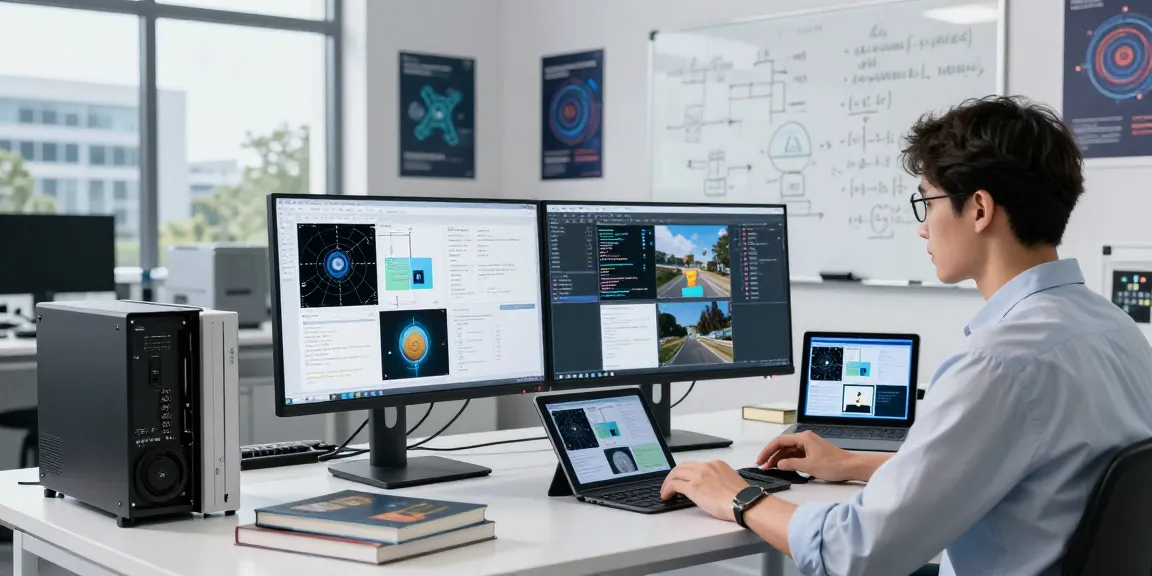
GPU computing refers to the use of graphic processing units (GPUs) to perform computationally intensive tasks. Unlike traditional CPUs, which handle tasks sequentially, GPUs can execute many operations simultaneously, making them particularly well-suited for tasks that require massive parallel processing. This is especially useful in AI, where models often need to process vast amounts of data quickly and efficiently.
GPUs were initially designed for rendering graphics in video games, but advancements have turned them into powerful tools for general-purpose computing. They excel in tasks such as image and video processing, scientific simulations, and most prominently, AI and machine learning operations. The rise of AI has propelled GPU computing into the spotlight, driving further innovations and improving access to these essential resources.
Importance of GPU Computing in AI Token Economy
In the AI Token Economy, GPUs play a pivotal role by providing the necessary computational resources to train and run AI models. These models are integral to generating AI tokens, which represent units of computational usage. Thus, GPU computing enables seamless operation of AI systems and contributes to the overall efficiency of this economy.
The economics of GPU computing within the AI Token Economy are particularly interesting. Each task performed by an AI model is represented by a certain number of tokens, akin to how electricity usage is measured in kilowatt-hours. Participants in this economy can earn rewards based on the computational resources they contribute, tied directly to the electricity they support for AI factory operations.
How GPU Computing Enhances AI Factory Operations
The integration of GPU computing within AI factory operations enhances productivity and reduces latency in processing data. High-performance GPUs can handle numerous simultaneous requests, enabling effective real-time data analysis and decision-making. This is vital for industries that rely on immediate feedback, such as finance, healthcare, and autonomous vehicles.
Furthermore, the scalability of GPU resources ensures that as demand increases, the infrastructure can adapt without significant overhauls. This is particularly crucial in the context of the AI Token Economy, where operational efficiency can determine profitability.
Power Plans: Choosing Your GPU Support
For individuals and organizations looking to get involved in AI infrastructure, selecting the right power plan is essential. AI Infrastructure Power Plans are designed to support various levels of GPU computing capacity, and understanding these options can help optimize your investment and enhance participation in the AI Token Economy.
Overview of AI Infrastructure Power Plans
51 AIpower offers several tiers of power plans that cater to different needs and operational profiles. These plans can be broken down into three main categories: Core, Enhanced, and Advanced Power Access. Each category provides varying levels of power allocation to GPU infrastructure, enabling users to select a plan that best suits their computing requirements.
For example, a user with minimal requirements may opt for a Core Power Access plan, providing basic support for small-scale AI operations. In contrast, those involved in large-scale AI modeling may benefit more from an Advanced Power Access plan, which assures higher power availability and efficiency.
Selecting the Right Power Plan for Your Needs
Choosing the appropriate power plan involves several considerations, including expected workload, budget, and desired participation in the AI economy. Users should assess their specific needs and measure them against the plan offerings. Factors such as computing frequency, types of tasks, and peak usage times should influence the decision.
It’s advisable to start with a plan that aligns closely with your current needs and allows for scalability. This way, as your AI operations grow, you can adjust your power plan to accommodate new requirements without disruption.
Cost Analysis of GPU Computing Contributions
Understanding the cost of GPU computing contributions is vital for those participating in the AI Token Economy. The costs associated with GPU computing are generally tied to the electricity used to run the GPUs and the processing power required for specific tasks. This means that users can predict their potential earnings based on the amount of electricity they support for AI workloads.
The power plans offered by 51 AIpower are structured to ensure transparency and predictability in costs. Users receive regular updates on their contribution to the electricity used, the AI tokens generated, and the associated rewards. This structure encourages a clear understanding of how costs translate to operational effectiveness within the AI ecosystem.
The Role of Electricity in GPU Computing
The electricity supply is the backbone of GPU computing. As AI factories operate, they rely on consistent and adequate power to ensure GPU efficiency and productivity. Understanding the electricity requirements for various AI workloads is crucial for optimal performance and cost management.
Electricity Requirements for AI Workloads
AI workloads vary significantly in their power requirements depending on the complexity of tasks and the architecture of the GPUs used. Heavy computational tasks, such as deep learning and neural network training, necessitate substantial energy resources, especially during peak operational times.
In addition, the performance of AI models can be directly impacted by the quality and stability of the electricity supplied. Reliable power sources minimize downtimes, ensuring continuous processing and effective data handling.
Understanding Power Metering in AI Infrastructure
Power metering is essential for tracking how much electricity is consumed by GPU infrastructures during AI operations. This technology is crucial for monitoring both costs and performance, allowing users to adjust their operations based on real-time data. Accurate power metering provides insights into the efficiency of GPU usage and helps identify potential areas for cost savings or operational optimization.
Through power metering, users can see the direct correlation between their electricity contributions and the performance of AI workloads, enhancing transparency in the AI Token Economy.
Challenges in Power Management for GPU Computing
While GPU computing presents immense opportunities, managing power effectively can pose several challenges. Fluctuations in electricity costs, varying demand from AI operations, and the need for upgraded infrastructure can complicate power management.
Moreover, as AI workloads increase in complexity and scale, maintaining the efficiency of power consumption becomes increasingly challenging. Implementing robust power management strategies is essential to ensure that power resources are utilized effectively, reducing wasted energy and maximizing productivity.
Measuring Performance and Rewards
In the context of the AI Token Economy, accurately measuring contribution rewards based on GPU computing is crucial. Participants must understand how their efforts translate into tangible outcomes to optimize their performance and profitability.
Calculating Contribution Rewards in AI Infrastructure
Rewards in the AI Token Economy are calculated based on the amount of electricity supported, the GPU output, and the number of AI tokens generated. Each settlement period, users receive notifications detailing their contribution and corresponding rewards.
This transparent calculation process allows users to see how changes in their power contributions directly affect their earnings, encouraging continuous engagement and investment in AI infrastructure.
Monitoring GPU Usage and Token Generation
Monitoring tools provide users with insight into their GPU usage and the associated token generation. These tools track the performance of AI workloads, allowing users to optimize their plans and power allocations accordingly. Users can analyze data to make informed decisions about scaling their operations or adjusting their power plans based on demand fluctuation.
Case Studies: Successful GPU Computing Implementations
Real-world examples of successful GPU computing implementations illustrate the potential of this technology in the AI Token Economy. Companies across various sectors are adopting GPU-driven solutions to enhance their operations, including finance, healthcare, and logistics. These case studies highlight the impact of efficient GPU computing on productivity and competitive advantage.
For instance, a healthcare provider utilized GPU computing to accelerate its data processing for diagnostic tools, reducing the time required for test results significantly. This not only improved patient outcomes but also generated substantial AI tokens through efficient usage of power resources.
Future Trends in GPU Computing
The landscape of GPU computing is continually evolving, influenced by emerging technologies and market demands. For stakeholders in the AI Token Economy, staying informed about these trends is essential for maximizing their operational effectiveness.
Emerging Technologies Influencing GPU Computing
New advancements in technology, such as quantum computing and improved AI algorithms, are expected to significantly impact GPU computing. These technologies will enhance processing power and enable even faster computations, transforming the way AI services are delivered.
Moreover, as energy-efficient GPUs and better cooling technologies emerge, organizations can expect to reduce operational costs associated with GPU computing while maintaining high levels of performance.
Predictions for GPU Performance in 2026 and Beyond
Experts predict that by 2026, GPU technology will continue to advance, pushing the boundaries of what is achievable in AI tasks. With increasing demands for real-time processing, the push for faster and more efficient GPU architectures will likely dominate future developments.
This shift will create new opportunities for businesses to leverage GPU computing for not only traditional AI applications but also for innovative areas like autonomous systems and predictive analytics.
Best Practices for Staying Ahead in GPU Technology
Staying ahead in the rapidly changing GPU landscape requires a proactive approach. Organizations should invest in continuous learning and training for their teams to remain current on best practices in GPU usage and efficiency.
Additionally, monitoring industry trends and adopting cutting-edge technologies early can help businesses maintain a competitive advantage in the AI Token Economy. Leveraging collaborative platforms and networks to share insights and resources can further enhance operational capabilities.
Frequently Asked Questions
What is the role of GPU computing in AI?
GPU computing serves as a backbone for AI processing, enabling fast computations essential for training and running AI models. It supports the efficiency and scalability required in the AI Token Economy.
How is GPU performance measured?
GPU performance can be measured in various ways, including throughput (the amount of work done in a given time), power efficiency (calculating the performance per watt), and latency (the time taken to complete a task).
Can anyone participate in the AI Token Economy?
Yes, individuals and businesses can participate by selecting appropriate power plans that support their GPU computing requirements, enabling them to contribute to AI infrastructure without significant upfront investment.
What factors influence GPU computing costs?
GPU computing costs are influenced by electricity prices, the scale of operations, the efficiency of the hardware, and the complexity of the AI tasks being performed.
How to optimize electricity usage for GPU operations?
Optimizing electricity usage involves using energy-efficient GPUs, implementing intelligent workload scheduling, and utilizing power metering to monitor and adjust usage dynamically based on demand.