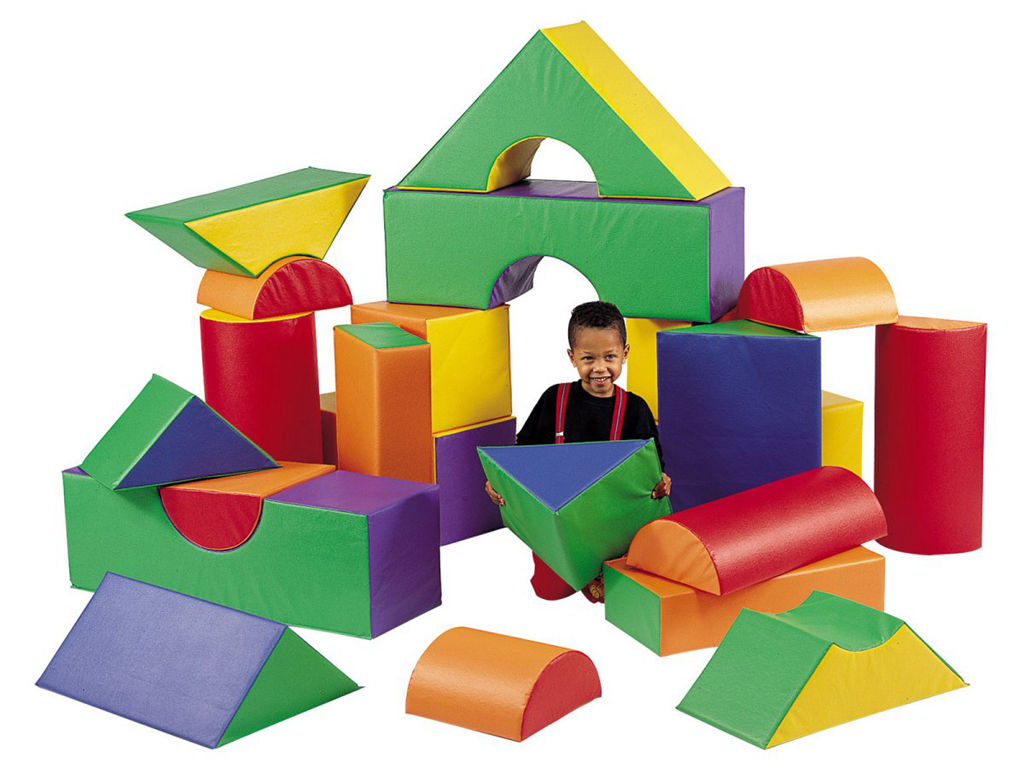
Introduction to Foam Building Blocks
In the realm of children's toys, few items inspire creativity and adventure as much as foam building blocks. These expansive, colorful blocks serve as not just a tool for play, but as a vehicle for imagination, learning, and development. Parents and educators alike appreciate foam blocks for their versatility and safety. If you want to find out more about how these captivating toys can engage children, you've come to the right place. In this article, we will explore several aspects of foam building blocks, from their design to their far-reaching benefits for child development.
What Are Giant Foam Blocks?
Giant foam blocks are oversized, lightweight building blocks made from high-density foam. They come in various shapes, sizes, and colors, designed to be soft enough for safe play while still firm enough to build and stack. These blocks can be found in homes, preschools, and play centers, serving as both a standalone toy and as part of larger play structures.
Their forgiving structure allows children to explore their building capabilities without the common fears associated with harder materials. Kids can construct towering structures or sprawling installations without risk, making foam blocks an excellent choice for young builders.
Benefits for Child Development
Using foam building blocks can significantly benefit a child's developmental journey. Here are a few key areas of impact:
- Physical Development: The act of lifting, stacking, and balancing foam blocks helps children develop both fine and gross motor skills.
- Cognitive Growth: Building challenges encourage problem-solving, critical thinking, and spatial awareness.
- Social Skills: Group play fosters collaboration and communication, allowing children to learn teamwork and negotiation.
- Emotional Intelligence: Engaging in creative play helps children express their emotions, promoting mental well-being.
How They Inspire Creativity
Foam building blocks serve as a blank canvas for creativity. Unlike toys with fixed functions, these blocks stimulate open-ended play, allowing children to construct their worlds. Kids can build castles, forts, or abstract sculptures, enabling them to express their unique ideas. This freedom supports imaginative thinking and enhances their ability to visualize concepts, laying a foundation for innovative thinking in the future.
Moreover, the role of adults in facilitating this creativity cannot be overstated. Encouragement in the form of prompts or challenges can inspire children to think outside the traditional limits of block play, further enhancing their creative sessions.
Setting Up a Play Area
Choosing the Right Space
The first step in maximizing the benefits of foam building blocks is setting up an engaging play area. Ideally, this area should be spacious enough for children to move freely and safely. Choose a location in your home or outside where children can explore their creativity without the limitations of tight spaces.
Consider areas with soft flooring, such as carpets or foam mats, which provide comfort and safety while also allowing for easy cleanup of any scattered blocks. Ensure the space is free from hazards, including sharp corners and breakable items.
Safety First: Creating a Secure Environment
The safety of children during play is paramount. Foam blocks are inherently safe due to their soft material, but a few guidelines can enhance protection:
- Clear Obstacles: Remove any potential hazards from the play area.
- Soft Landing: Use mats or carpets to cushion any falls.
- Supervision: Always supervise play, especially when children are experimenting with heights.
Engaging with the children during play also helps guide them toward safe practices, allowing for both fun and security.
Essential Accessories and Props
While foam blocks are delightful on their own, the addition of accessories can elevate play experiences. Here are some props to consider incorporating:
- Building Guides: Printed images or templates showing different structures can serve as inspiration for ambitious projects.
- Art Supplies: Crayons and markers can help children personalize their creations, enhancing the creative process.
- Thematic Accessories: Items like dolls and toy vehicles can transform a construction into a play scene, enriching the story behind the structure.
Creativity is often spurred by imaginative play, and these accessories can help trigger exciting narratives that children will enjoy while building.
Creative Indoor Games and Activities
Building Challenges and Competitions
Incorporating structured challenges can make playtime even more exhilarating. Organize competitions where children must build specific structures within a time limit. This not only motivates them but also instills a sense of accomplishment.
Types of challenges can include:
- Time Trials: Create the tallest structure using a limited number of blocks within a set time.
- Team Builds: Divide into groups and collaborate on larger projects, promoting cooperation and communication.
- Designated Themes: Assign themes for structures, such as "space" or "ocean," to encourage creativity and exploration.
Challenge activities can introduce elements of friendly competition while also fostering skills that enhance their building experiences.
Storytelling with Blocks
Foam blocks are excellent companions for storytelling. As children construct their buildings, you can encourage them to create narratives around their designs. They may invent stories about who lives in their castles or what adventures their structures will embark upon.
This narrative play promotes language development, encourages creativity, and enhances social skills as they share their stories with others. You can enhance this activity by reading stories that contain similar themes, inspiring children to recreate scenes using their blocks.
Collaborative Play Scenarios
Encouraging teamwork through collaborative play can strengthen friendships among children. Set up scenarios where they must work together to build something specific, such as a zoo, a city, or a rocket ship. As they exchange ideas and negotiate what to build, they naturally build social skills.
Additionally, these scenarios allow for shared ownership of the building process, laying the groundwork for cooperative problem-solving in other aspects of life. Through cooperation, children can learn valuable lessons about respect and sharing.
Enhancing Learning Through Play
Math Skills and Spatial Awareness
Foam building blocks are not only for fun but are also powerful tools for enhancing mathematical skills. As children stack, compare heights, or measure lengths of their creations, they naturally engage in critical mathematical concepts. These activities encourage counting, ordering, and understanding balance and gravity, laying a solid foundation for further mathematical learning.
Spatial awareness is another crucial skill developed through block play. Children learn to recognize shapes, understand dimensions, and visualize their creations in three-dimensional space, skills critical in later academic subjects.
Developing Language Skills
Language development can thrive in an environment where children play with foam blocks. Through discussions about their structures and storytelling, they naturally expand their vocabulary. Encouraging them to articulate their thoughts about what they are building fosters verbal skills and enhances conversational abilities. You can aid this development by asking open-ended questions about their creations and providing new terms related to shapes, colors, and building techniques.
Fine and Gross Motor Skills Improvement
Building with foam blocks not only nurtures creativity but also enhances fine and gross motor skills. Children engage in various movements as they pick up, stack, and balance blocks. This active engagement helps strengthen hand-eye coordination, dexterity, and overall physical coordination.
In addition, these skills are critical for later activities, such as writing and playing sports, illustrating the integral role foam blocks play in a child's physical development.
Maintaining and Caring for Foam Blocks
Cleaning and Sanitation Tips
To ensure the longevity and hygiene of foam blocks, establishing a regular cleaning routine is essential. Here are some tips to keep the blocks in optimal condition:
- Use Mild Soap: Clean blocks with a mixture of mild soap and warm water to remove dirt and bacteria.
- Sanitize: For thorough disinfection, use a safe, child-friendly disinfectant spray.
- Wipe Down: Always allow blocks to air-dry completely before storing them away.
These practices will help maintain cleanliness and ensure safe play for your children.
Storage Solutions
Proper storage is vital for maximizing the lifespan of foam blocks. Consider using bins, baskets, or shelving systems that allow easy access while keeping the blocks organized. Interchangeable storage solutions will encourage children to help in the cleanup, fostering a sense of responsibility.
Labeling bins can also help children become familiar with categorizing different shapes, enhancing their organizational skills in a fun manner.
Longevity and Care Guidelines
To maximize the life of your foam blocks, keep them out of direct sunlight to prevent fading and ensure they do not get excessively damp. Monitoring wear over time ensures that they remain safe and usable for years to come. Regular inspection and care can prevent small damages from escalating, maintaining their playability and appearance.
FAQs
What age group is best for foam building blocks?
Foam building blocks are ideal for children aged 1 to 8 years, promoting creativity and motor skills.
Can foam blocks be used outdoors?
While designed for indoor use, some foam blocks are suitable for outdoor play as they are weather resistant.
How do foam blocks support educational development?
Foam blocks enhance problem-solving skills, encourage teamwork, and aid in learning basic math concepts through play.
Are foam building blocks safe for young children?
Yes, foam building blocks are soft, lightweight, and designed with safety in mind, minimizing injury risks during play.
How should I maintain my foam blocks?
Regularly clean foam blocks with mild soap and water, and store them in a cool, dry place when not in use.