Understanding the Manlift
What Is a Manlift?
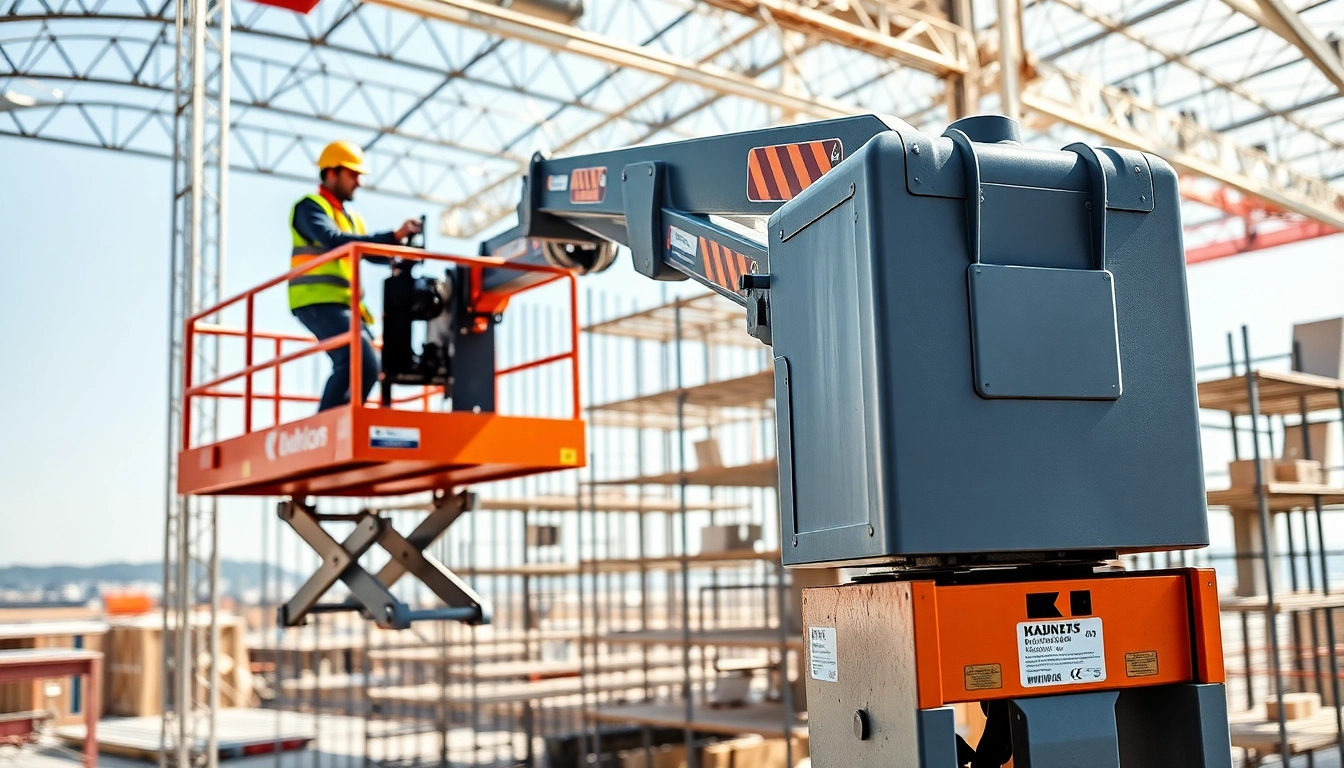
A manlift is an essential piece of equipment used in various industries, particularly for lifting workers and equipment to elevated areas safely. This equipment enables individuals to work at heights, making it invaluable in construction, maintenance, and other sectors where elevated work is necessary. The manlift typically consists of a platform or bucket attached to a lifting mechanism that can be raised and lowered as needed.
Manlifts come in various forms, with each design tailored to meet specific operational needs. These systems are engineered to prioritize safety and efficiency, making them a preferred choice for tasks ranging from light maintenance work to extensive construction projects.
Types of Manlifts and Their Applications
Understanding the different types of manlifts is crucial for selecting the right model for a particular task. Below are the most commonly used types:
- Articulating Boom Lifts: Known for their flexibility and range of motion, articulating boom lifts can navigate around obstacles, making them ideal for complex work areas.
- Telescopic Boom Lifts: These lifts provide maximum reach and height. They are excellent for jobs requiring straightforward vertical elevation without obstructions.
- Scissor Lifts: Scissor lifts offer a stable platform for working at lower heights, making them perfect for tasks like painting or maintenance in warehouses.
- One-Man Lifts: Designed for single operators, these compact lifts are easy to maneuver and ideal for lightweight tasks in tight spaces.
- Cable-Operated Lifts: These are generally used in construction and industrial settings for raising materials and equipment rather than personnel.
Each type has specific applications based on working conditions, required height, and load capacity. Choosing the correct type enhances operational efficiency and reduces risks associated with working at height.
Key Safety Features in Manlifts
Safety is paramount when operating manlifts. Effective manlifts come equipped with several key safety features that protect both the operators and the job site. Some vital safety features include:
- Emergency Stop Buttons: Easily accessible emergency buttons allow for quick shutdown in dangerous situations.
- Guardrails: Fully enclosed platforms help prevent falls, a leading cause of workplace accidents.
- Proximity Sensors: These sensors detect nearby obstacles and help prevent collisions or tipping.
- Leveling Systems: Ensures that the platform remains stable even on uneven surfaces.
- Operator Training Systems: Some models feature built-in training aids, ensuring operators are adequately trained prior to use.
Utilizing manlifts with these safety features can significantly minimize risks, aligning with regulations and providing a safer operational environment.
Choosing the Right Manlift for Your Project
Factors to Consider When Selecting a Manlift
When it comes to selecting a manlift, multiple factors must be taken into account to ensure that the chosen equipment meets the specific needs of your project. Key considerations include:
- Working Height: Determine the maximum height that needs to be reached for your task. Different models offer varying maximum heights.
- Load Capacity: Assess the weight of the personnel and equipment that will be transported. This will help in selecting a manlift with the appropriate weight capacity.
- Worksite Conditions: Analyze the terrain and space constraints of the job site. Space limitations may require a compact model, while uneven surfaces may necessitate specialized stabilization features.
- Duration of Use: Decide how long the manlift is needed. Renting may be economical for short-term projects, while purchasing can be more cost-effective for long-term use.
Capacity and Reach Requirements
Each project will have its own unique lift capacity and reach requirements. Assessing both correctly is critical. Here are some guidelines to consider:
- Determine the heaviest load that needs to be lifted, including any tools and materials.
- Consult manufacturer specifications for each manlift model, as capacities can vary significantly.
- If unsure, it’s advisable to select a model with a higher weight capacity to avoid overloading.
- Assess the vertical and horizontal reach required. Ensure the manlift has the capacity to safely reach beyond obstacles.
Environmental Considerations
Environmental factors can greatly influence the choice of manlift. Depending on whether the work is indoors or outdoors, certain features may be necessary:
- Indoor Use: In confined indoor spaces, smaller, electric-powered manlifts are ideal to reduce noise and emissions.
- Outdoor Use: For extensive outdoor projects, robust hydraulic systems with greater reach may be necessary, and often diesel-powered models are preferred.
- Weather Conditions: In wind-prone areas or inclement weather, manlifts should come equipped with safety features to deal with environmental challenges.
Assessing these factors in advance will ensure the right choice aligns with both the operational requirements and environmental conditions.
Best Practices for Operating a Manlift
Pre-Operation Safety Checks
Before operating a manlift, conducting thorough pre-operation safety checks is critical. Operators should ensure the following steps are completed:
- Inspect Equipment: Look for any visible signs of wear or damage, particularly on cables, hydraulic systems, and safety features.
- Check Controls: Ensure all controls function correctly and operators are familiar with the layout.
- Assess Safety Features: Confirm the operation of emergency stop buttons, guardrails, and other safety mechanisms.
- Review Manual: Familiarize with manufacturer’s operational guidelines before commencing to operate the manlift.
Operational Guidelines and Techniques
Following strict operational guidelines will enhance safety and efficiency while using a manlift. Recommended practices include:
- Only trained personnel should operate a manlift. Regular training ensures all operators are current on safety and efficiency protocols.
- Always wear appropriate personal protective equipment (PPE) while operating.
- Never exceed the weight limit established for the manlift.
- Use harnesses when working at heights, especially on taller models, to enhance safety.
- Ensure a clear communication system is in place between the operator and ground crew.
Emergency Procedures and Protocols
Despite all precautions, emergencies can occur. Here are essential procedures and protocols to follow in case of an emergency:
- Know how to quickly access emergency stop features on the manlift.
- Establish ground crew roles in emergencies, signaling the operator of any hazardous situations.
- Have a rescue plan in place to quickly assist if an operator is stranded.
- Regularly review emergency protocols with the entire team to ensure readiness and minimize response times.
Maintaining Your Manlift
Routine Maintenance Tips
Regular maintenance is crucial for the safe and efficient operation of a manlift. Here are some routine maintenance tips:
- Schedule regular preventative maintenance checks as recommended by the manufacturer.
- Lubricate moving parts frequently to prevent wear and tear.
- Inspect hydraulic systems and check pressure levels to ensure they are operating within safe limits.
- Maintain a clean work environment around the manlift to prevent debris from causing damage to mechanical parts.
Common Issues and Troubleshooting
Being aware of common issues can help operators identify problems early and troubleshoot effectively. Here are a few common challenges:
- Hydraulic Leaks: May indicate defective seals or hoses. Inspection should be done immediately.
- Electrical Failures: Check the fuses and electrical connections if the boom does not operate when controls are engaged.
- Stability Problems: If the manlift seems unstable, ensure it is on a level surface and check stabilizing mechanisms.
When to Seek Professional Help
Some issues require professional expertise. Operators should consider contacting a technician for assistance in the following situations:
- If there is significant hydraulic system damage or leaks.
- When electrical malfunctions occur, particularly if they involve wiring or control systems.
- If the manlift shows persistent stability or performance issues, which might indicate potential structural problems.
Frequently Asked Questions About Manlifts
What types of projects benefit from a manlift?
Projects that involve work at heights, such as construction, painting, maintenance, and inspections, greatly benefit from using a manlift as it provides safety and efficiency.
How do I ensure safe operation of a manlift?
To ensure safe operation, conduct pre-use inspections, adhere to weight limits, wear personal protective equipment, and ensure operators are well-trained.
What are the weight limits of typical manlifts?
Typical weight limits vary based on the type of manlift. However, most manlifts can accommodate loads ranging from several hundred to several thousand pounds; always refer to the specific model’s manual.
Where can I rent or purchase a manlift?
You can rent or purchase manlifts through various equipment rental companies, dealerships specializing in aerial equipment, or online marketplaces.
Are there specific training requirements for manlift users?
Yes, operators must undergo training that covers safe operating practices, equipment knowledge, and emergency protocols to ensure safe and effective use of the manlift.