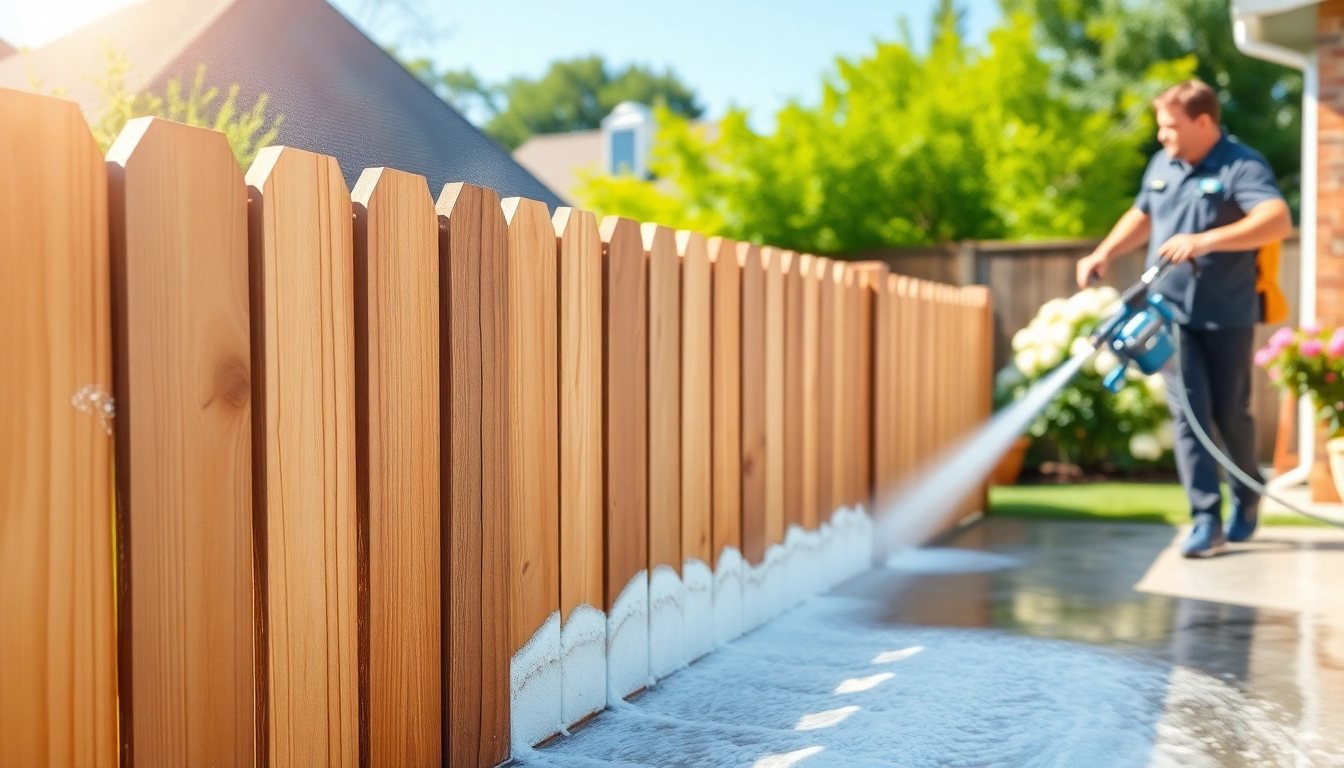
Understanding the Importance of Fence Cleaning
Fences serve multiple purposes, including defining property boundaries, providing security, and enhancing aesthetics. Yet, over time, they can become covered in dirt, mold, and mildew, compromising their functionality and appearance. Fence Cleaning is essential for maintenance, and understanding its significance is key to protecting your investment.
Benefits of Regular Maintenance
Regular cleaning of fences can prolong their lifespan, preventing issues such as wood rot or metal corrosion. By removing grime and organic growth, you reduce the risk of permanent damage, saving on costly repairs or replacement. Moreover, regular maintenance makes repainting or sealing more effective, extending the time between such tasks.
Another notable benefit includes heightened property appearance; a well-maintained fence enhances curb appeal, which is especially critical if you plan to sell your home. A clean fence reflects care and attention to detail that potential buyers appreciate.
Common Reasons for Fence Cleaning
Several factors necessitate fence cleaning, including:
- Mold and Mildew: These fungi thrive in damp environments and can rapidly spread, compromising the integrity of your fence.
- Dirt and Dust Accumulation: Seasonal changes lead to dirt buildup that can soil your fence's appearance.
- Pests: Insects can make nests on dirty fences, making cleaning crucial to maintaining pest control.
- Pollution: Airborne pollutants settle on fences, especially in urban areas, leading to unsightly appearance.
Impact on Property Aesthetics and Value
The visual appeal of your property is significantly affected by your fence's condition. Fences that are dirty, stained, or damaged can detract from the overall attractiveness of your home and garden. Conversely, well-maintained fences elevate your property's marketability and can increase its value. Aesthetic enhancements can lead to favorable impressions during neighborhood assessments or potential sales.
Types of Fences and Appropriate Cleaning Methods
Different materials require distinct cleaning techniques. Knowing how to approach each type is crucial for optimal results.
Wood Fence Cleaning Techniques
Wood fences offer a classic charm but require specialized care. Regular cleaning prevents mold growth and wood decay. The most effective method involves the following steps:
- Preparation: Spray the fence with water to reduce the absorption of cleaning solutions.
- Cleaning Solution: Use a wood cleaner or a diluted bleach solution (1 part bleach to 3 parts water).
- Scrubbing: Employ a soft-bristle brush to scrub away dirt and mildew.
- Rinsing: Thoroughly rinse with a garden hose, ensuring no solution remains.
Vinyl and Composite Fence Maintenance
Vinyl fences are more forgiving when it comes to cleaning; many can be restored using simple soap and water. However, for tough stains:
- Mix dish soap with warm water.
- Use a non-abrasive scrubber or cloth.
- Rinse thoroughly after scrubbing.
- A late season application of a UV protector can also enhance durability against fading.
Metal Fence Cleaning Practices
Metal fences—from iron to aluminum—require brushing and possibly rust inhibitors. Follow these steps:
- Inspection: Look for rust and damage before cleaning.
- Cleaning Surface: Use a soft brush and soapy water.
- Addressing Rust: If there's rust, remove it with a wire brush and apply rust converter.
- Sealing: Finish with a sealant to reduce future rusting.
DIY Fence Cleaning Solutions
Many homeowners seek economical solutions for cleaning fences. Choosing to do it yourself can save money while providing a rewarding experience. Here's a comprehensive guide to effective DIY methods.
Homemade Cleaning Solutions
Creating effective fence cleaning solutions at home can be both easy and economical. Here are two common recipes:
- Bleach Solution: Combine one part bleach with three parts water. This is effective for mold and mildew.
- Vinegar Solution: Mix equal parts vinegar and water for a non-toxic alternative that also removes dirt and grime.
Tools and Equipment Needed
To clean your fence effectively, gather the following tools:
- Soft-bristle brush or scrubbing pads
- Buckets for mixing cleaning solutions
- Garden hose or pressure washer (set to a low-pressure setting)
- Protective gloves and eyewear
Step-by-Step Cleaning Process
To ensure your DIY cleaning is successful, follow these steps:
- Mix your chosen cleaning solution.
- Dampen the fence surface with water.
- Apply the cleaning solution using a brush or sprayer.
- Allow it to sit for 10-15 minutes to break down stains.
- Scrub the fence gently, focusing on stubborn areas.
- Rinse thoroughly with water.
Professional Fence Cleaning Services
While many prefer DIY methods, hiring professionals can ensure high-quality results and save you time. Understanding when to outsource this task is essential.
When to Hire Professionals
Consider professional services if:
- Your fence is extensively damaged or requires repairs.
- You have a large property and a lengthy fence that would take too long to clean yourself.
- You’re unsure about the appropriate cleaning method for your fence material.
Factors Influencing Cost of Service
The cost of professional fence cleaning varies based on:
- Fence Size: Larger fences will incur higher costs.
- Condition: Severely dirty or damaged fences typically require more intensive labor.
- Cleaning Method: The use of specialized equipment or products can increase overall expense.
What to Expect from a Service Appointment
Professional services typically start with an inspection. After assessing the fence's condition, technicians will discuss the necessary cleaning methods and products used. Expect a thorough cleaning, along with recommendations for additional maintenance or repairs, if needed.
FAQs about Fence Cleaning
How often should I clean my fence?
Ideally, clean your fence at least once a year, or more often if you notice buildup or discoloration.
Can I use bleach to clean my fence?
Yes, but use in moderation and consider alternatives like vinegar; bleach can damage plants and surfaces.
What is the best time of year for fence cleaning?
Spring and early fall are ideal for fence cleaning, as temperatures are moderate and weather is usually dry.
How long does it take to clean a fence?
The duration depends on fence size and method, but typically it takes 1-3 hours for a full clean.
Can I pressure wash my fence?
Yes, but be cautious with wood fences; a soft wash method is often preferred to avoid damage.