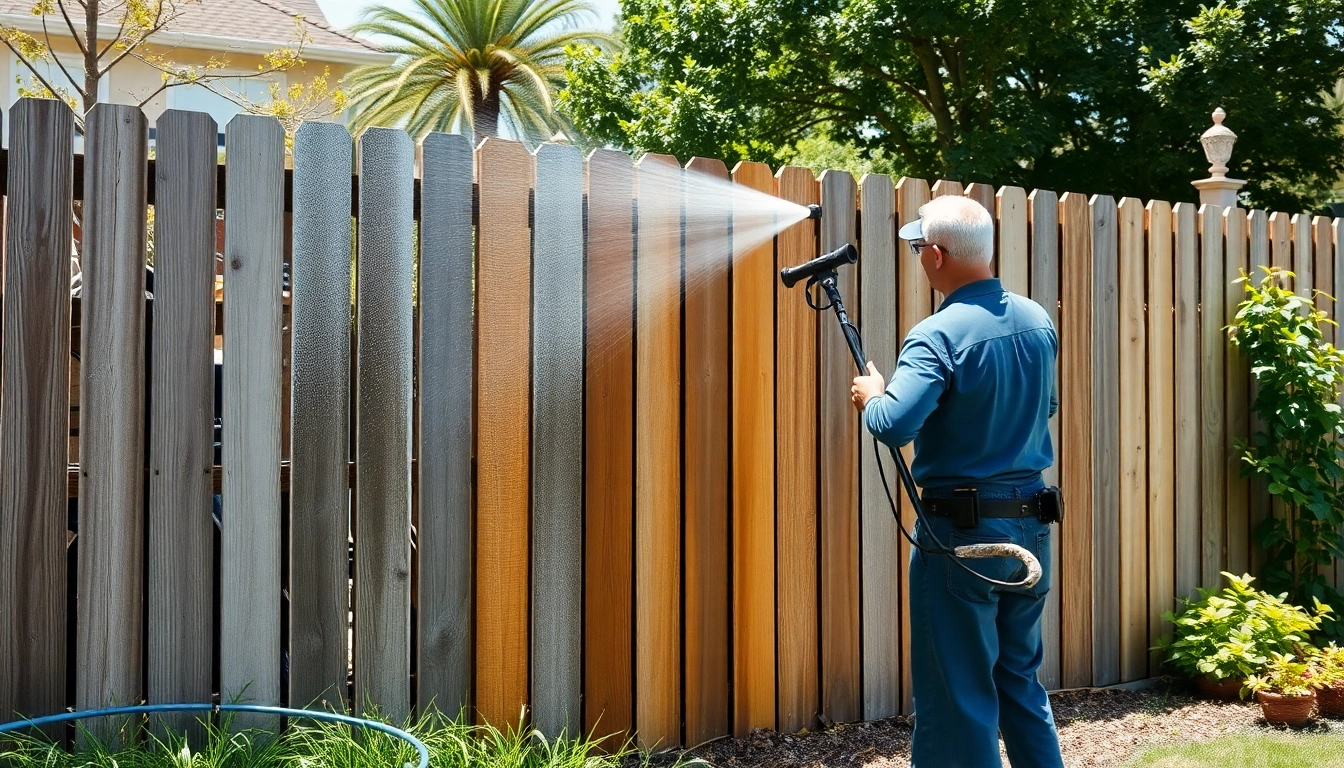
Understanding Fence Cleaning
Fences serve as crucial components of our outdoor space, providing both security and aesthetic value. However, over time, fences can accumulate dirt, mold, mildew, and other unsightly elements, significantly diminishing their appearance and integrity. This is where effective Fence Cleaning becomes vital. Not only does it enhance your property's curb appeal, but it also extends the life of your fence. In this comprehensive guide, we will delve into the importance of maintaining your fence, explore different types of fences, and discuss the common issues that necessitate regular cleaning.
1. Importance of Regular Maintenance
Regular maintenance of your fence is essential for several reasons. First and foremost, it prevents the buildup of harmful substances like mold and mildew, which can degrade the materials of the fence over time. Additionally, a clean fence significantly boosts the aesthetic appeal of your property, increasing its market value. The condition of your fence also reflects the care and attention you give to your home, potentially affecting neighbors' perceptions and overall neighborhood aesthetics.
2. Types of Fences Requiring Cleaning
Fences come in various materials, each requiring tailored cleaning methods. Here’s a breakdown:
- Wood Fences: Prone to rot and discoloration, wood fences need regular cleaning to remove dirt and prevent mold growth.
- Vinyl Fences: While more resistant to staining than wood, vinyl fences can still accumulate grime and need occasional cleaning.
- Metal Fences: Rust can be an issue for metal fences, necessitating cleaning and protective coatings.
- Chain Link Fences: These may require less maintenance but still benefit from periodic cleaning to prevent rust and other debris buildup.
3. Common Issues and Solutions
Fences often encounter several challenges that can be addressed through proper cleaning techniques.
- Mold and Mildew: Common on wood fences, mold can be effectively removed with a mixture of bleach and water.
- Staining: For stubborn stains, specialized fence cleaners can help, and for wood fences, a power wash might be necessary.
- Weathering: Regular cleaning can help reduce the effects of weather, keeping wood and paint fresh.
Cleaning Methods for Different Fence Types
Understanding which cleaning method works best for your fence type is crucial for effective maintenance. Here are the most common methods:
1. Soft Washing Techniques
Soft washing is a preferred cleaning method for delicate surfaces or older fences. This technique uses low pressure and specialized solutions that are biodegradable. Here’s how it works:
- Mix a cleaning solution that can kill mold and mildew.
- Apply the solution with a low-pressure sprayer, covering all affected areas.
- Allow the solution to sit for 15-20 minutes before rinsing with water.
2. Pressure Washing Tips
When considering pressure washing, it’s essential to adjust the pressure setting according to the fence material:
- Wood: Use lower pressure to avoid damaging the wood.
- Vinyl and Metal: Moderate pressure can effectively remove dirt without harming the surface.
- Always maintain a distance of at least two feet from the surface to prevent etching.
3. Hand Cleaning Recommendations
For those who prefer a DIY approach, hand cleaning can be effective and less invasive:
- Prepare a scrub solution of soap and water or a specialized cleaner.
- Use a scrub brush with stiff bristles for maximum efficiency, especially for rough wood surfaces.
- Rinse thoroughly with water to ensure no residue is left behind.
DIY vs. Professional Fence Cleaning
Deciding between DIY cleaning or hiring professionals can significantly impact the upkeep of your fence. Each approach has its advantages.
1. Benefits of Hiring a Professional Service
Engaging a professional cleaning service can streamline the cleaning process:
- Professionals possess the right equipment and expertise to handle various materials.
- They can identify potential damage and areas needing repair, extending the fence's lifespan.
- Using professional services saves you time and effort, allowing for peace of mind.
2. DIY Tools and Solutions
For those inclined to DIY methods, gathering the right tools is essential:
- Scrub brushes, buckets, and garden hoses are fundamental.
- Homemade cleaning solutions often use vinegar, baking soda, or bleach diluted with water for effective cleaning.
- Protective gear such as gloves and goggles should always be worn when handling chemicals.
3. Cost Comparisons and Considerations
Costs can differ considerably based on the method chosen:
- DIY cleaning will involve initial materials and solution costs.
- Professional cleaning can range from $30 to $800 depending on the fence size and material.
- Consider the time savings and potential for increased property value when determining what is best for your situation.
Environmental Considerations
When cleaning your fence, it’s essential to consider the environmental impact of your cleaning methods.
1. Eco-Friendly Cleaning Solutions
More homeowners are opting for eco-friendly cleaning solutions:
- Vinegar and baking soda can be highly effective and environmentally safe.
- Some commercial cleaners are designed to be biodegradable, reducing pollution.
2. Impact on Surrounding Plants and Wildlife
Consider the potential effects of your cleaning solutions on nearby plants and wildlife. Use non-toxic solutions to protect local ecosystems.
3. Safe Practices for Effective Cleaning
Implement practices that minimize runoff and chemical exposure:
- Clean on calm days to prevent chemicals from drifting into your garden.
- Rinse areas thoroughly to ensure that no cleaning residue remains.
Frequently Asked Questions about Fence Cleaning
1. How often should I clean my fence?
Ideally, you should clean your fence once a year, but twice a year in damp or humid climates may be more effective to prevent mold growth.
2. What cleaning solutions are effective?
Effective solutions include diluted bleach, vinegar, and commercially available fence cleaners tailored to your fence type.
3. Can I clean my fence in winter?
Cleaning is best done in warmer months, as cold temperatures can affect the effectiveness of cleaning solutions and create slippery surfaces.
4. How much does professional fence cleaning cost?
Costs vary widely, typically ranging from $30 to $800, depending on fence size, material, and local rates for services.
5. Are soft washing methods effective for all fences?
Soft washing is suitable for most fence types, particularly wood, as it minimizes damage while still effectively removing dirt and mold.