Understanding Bed Bug Heat Treatment
What is Bed Bug Heat Treatment?
Bed bug heat treatment is a proven method of pest control designed to eliminate bed bugs and their eggs by raising the temperature of an infested area to levels lethal to these pests. This process typically involves using specialized heaters that can increase indoor temperatures to around 120°F to 140°F (49°C to 60°C). Such high temperatures effectively kill all life stages of bed bugs, including eggs, making it a popular choice for those seeking an efficient and chemical-free solution for their bed bug problems. Utilizing this method, homeowners can embrace a bed bug heat treatment approach to ensure their residence is free from these pesky invaders.
How Heat Treatment Works
The mechanism behind heat treatment lies in its capability to penetrate fabric and furniture, reaching even the hidden habitats of bed bugs. Heaters specifically designed for this purpose distribute hot air uniformly to achieve a stable temperature throughout the treated area. This method not only eradicates adult bed bugs but also exploits their vulnerability in the egg stage. The critical temperature threshold required to kill bed bugs is approximately 121°F (49°C), maintained for at least 60 minutes. This principle ensures that the entire environment is subject to the lethal heat, providing comprehensive coverage.
Benefits of Heat Treatment for Bed Bugs
Choosing heat treatment for bed bugs offers numerous advantages:
- Non-toxic Approach: Unlike chemical treatments, heat eliminates pests without introducing harmful substances into the environment, making it a safer option for households with children and pets.
- Comprehensive Eradication: Heat treatment effectively addresses all life stages of bed bugs, ensuring that no eggs are left behind to regenerate the infestation.
- Speed of Application: Treatments can often be completed within a day, minimizing disruption to your daily life.
- Residual Effects: Unlike chemicals, which can leave toxic residues, heat treatment leaves no harmful substances behind post-treatment.
- Environmental Benefits: As a chemical-free method, heat treatment has lower environmental impact compared to traditional pest control options.
Preparation for Bed Bug Heat Treatment
Cleaning and Organizing Your Space
Before undergoing a bed bug heat treatment, it's essential to prepare your space properly. Begin by decluttering and organizing your home. Clear away unnecessary items from the areas being treated to allow heat to circulate effectively. This includes moving furniture away from walls and making sure that your closets are accessible. Furthermore, bedding, clothes, and other textiles should be sealed in plastic bags to protect them from the treatment process.
What to Expect During Treatment
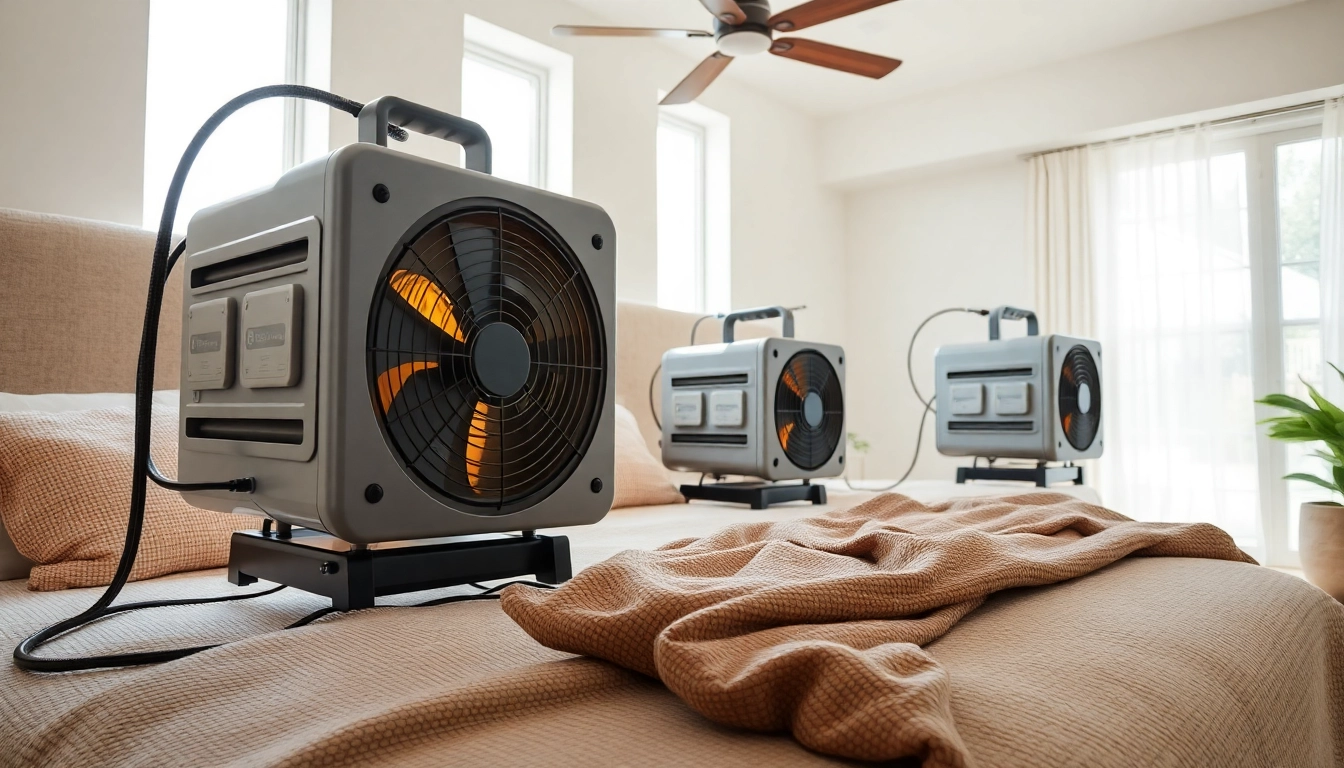
During the heat treatment, expect the extermination team to set up heaters, which will be placed strategically around your home. These heaters will be linked to monitoring equipment to ensure optimal temperature is maintained. It's crucial to vacate the treated area during the process, as the high temperatures can be uncomfortable and potentially hazardous, especially for individuals with certain health conditions.
Safety Precautions to Take
Prior to treatment, ensure that all plants, pets, and sensitive electronic devices are removed from the area. Additionally, flammable materials should be stored safely away from treatment zones. Awareness of health conditions that could be aggravated by extreme heat is key; consult with a healthcare provider if needed to ensure your safety during this process.
Implementing Bed Bug Heat Treatment
How to Set Up Your Equipment
Setting up equipment for a successful heat treatment requires careful planning and execution. Heaters should be evenly distributed throughout the area, ideally ensuring that every nook and cranny receives adequate heat exposure. Large fans may also be utilized to improve air circulation and reach temperatures capable of killing bed bugs in hidden spaces.
Monitoring Treatment Temperature
Temperature monitoring is key to the success of bed bug heat treatment. The exterminator will deploy sensors to monitor temperatures in various parts of the treated area. Maintaining the temperature between 120°F and 140°F for a consistent duration is critical in achieving a successful outcome.
Duration of the Treatment
The overall duration of the treatment typically spans 6 to 8 hours, depending on the size of the infested area and the level of infestation. Following the initial heating period, technicians usually allow the effects of heat to persist for an additional hour or two to ensure that all stages of bed bugs, including eggs, are eradicated effectively.
Post-Treatment Care
Evaluating the Treatment Effectiveness
After treatment, it's essential to evaluate its effectiveness. Keep an eye out for any signs of bed bugs in the days and weeks following. This includes inspecting bedding and furniture, along with checking for any signs of re-infestation. If you're seeing bed bugs after the treatment, consult with your pest control expert for follow-up measures.
Follow-Up Steps to Prevent Reinfestation
To prevent reinfestation after heat treatment, consider investing in bed bug mattress and box spring encasements. Furthermore, maintaining cleanliness and reducing clutter can also minimize the risk of another infestation. Regular vacuuming can assist in early detection and control of potential bed bugs that may enter your home.
When to Call Professionals
If you find signs of bed bugs persisting post-treatment, or if you’re uncertain of how to handle a new influx of bugs, it’s advisable to call pest control professionals promptly. These experts can conduct follow-up inspections to assess the situation accurately and provide additional treatments if necessary.
FAQs about Bed Bug Heat Treatment
Is bed bug heat treatment safe for pets?
Yes, bed bug heat treatment is generally safe for pets, provided they are removed from the treated area during the process to avoid heat exposure.
How long does bed bug heat treatment take?
The treatment typically takes between 6 to 8 hours depending on the extent of infestation, followed by additional cooling down time.
Can I remain in my home during treatment?
No, it is recommended to vacate the premises during heat treatment to ensure safety and comfort, as temperatures will be extremely high.
What happens to my belongings during treatment?
All belongings should be properly sealed and bagged before treatment. The heat will not damage most items but be cautious with sensitive belongings.
Will bed bug heat treatment kill all life stages?
Yes, bed bug heat treatment is effective in killing all life stages, including adult bed bugs, nymphs, and eggs when applied properly.