Understanding Australia: A Cultural Overview
Australia is a land of contrasts, known for its stunning landscapes, diverse wildlife, and rich cultural heritage. As one of the world's most vibrant nations, Australia is influenced by its unique history, multicultural society, and the striking legacy of Indigenous peoples. For those seeking to learn more about this fascinating country, the following sections delve into its cultural fabric and historical roots, offering insights into what makes Australia so special. Explore the beauty of Australia and its diverse cultural landscape.
The Roots of Australian Culture
The evolution of Australian culture is rooted deeply in the ancient traditions of the Aboriginal and Torres Strait Islander peoples, who inhabited the continent for over 65,000 years. Their connection to the land is profound, expressed through art, music, and storytelling. Dreamtime stories, which provide explanations about the creation of the world and the laws of life, form the basis of their cultural identity.
Following British colonization in 1788, Australia's cultural landscape began to change drastically. The arrival of European settlers brought new beliefs, customs, and practices. These influences collided with Indigenous cultures, resulting in a complex social fabric that continues to evolve today. Notably, the Australian Federation in 1901 marked a significant moment in the nation's development, fostering a sense of national identity.
Multicultural Society in Australia
Today, Australia stands as a beacon of multiculturalism, with over 300 ethnic backgrounds represented among its population. This diversity enriches Australian culture through food, art, music, and festivals. Cities such as Sydney and Melbourne celebrate cultural festivals, like Lunar New Year and Diwali, highlighting the wide-ranging cultural expressions that coexist in Australia.
The Australian ethos embraces inclusivity, allowing individuals from diverse backgrounds to contribute to the national identity. Policies promoting multiculturalism have been implemented to ensure that all Australians can practice their traditions and connect with their heritage. This cultural mélange plays a crucial role in shaping Australia's social dynamics.
Indigenous Heritage and Recognition
Australia's Indigenous heritage is one of its most important cultural assets. In recent decades, there has been a growing movement towards recognizing the profound connection Indigenous peoples have with their ancestral lands. Acknowledgment of traditional landowners has become common practice during events and gatherings, reflecting a shift towards reconciliation and healing.
Indigenous art, literature, and music have gained international acclaim, with artists like Emily Kame Kngwarreye and musicians such as Gurrumul captivating audiences worldwide. These expressions are integral to understanding the rich tapestry that is Australia. However, significant challenges remain, including addressing social injustices and closing the gap in health and education outcomes faced by Indigenous communities.
Geography and Natural Wonders of Australia
Australia is renowned for its breathtaking geography, featuring a diverse range of landscapes including deserts, rainforests, mountains, and coastlines. As the world's sixth-largest country, it hosts a plethora of natural wonders that draw visitors from across the globe.
Iconic Landmarks Across Australia
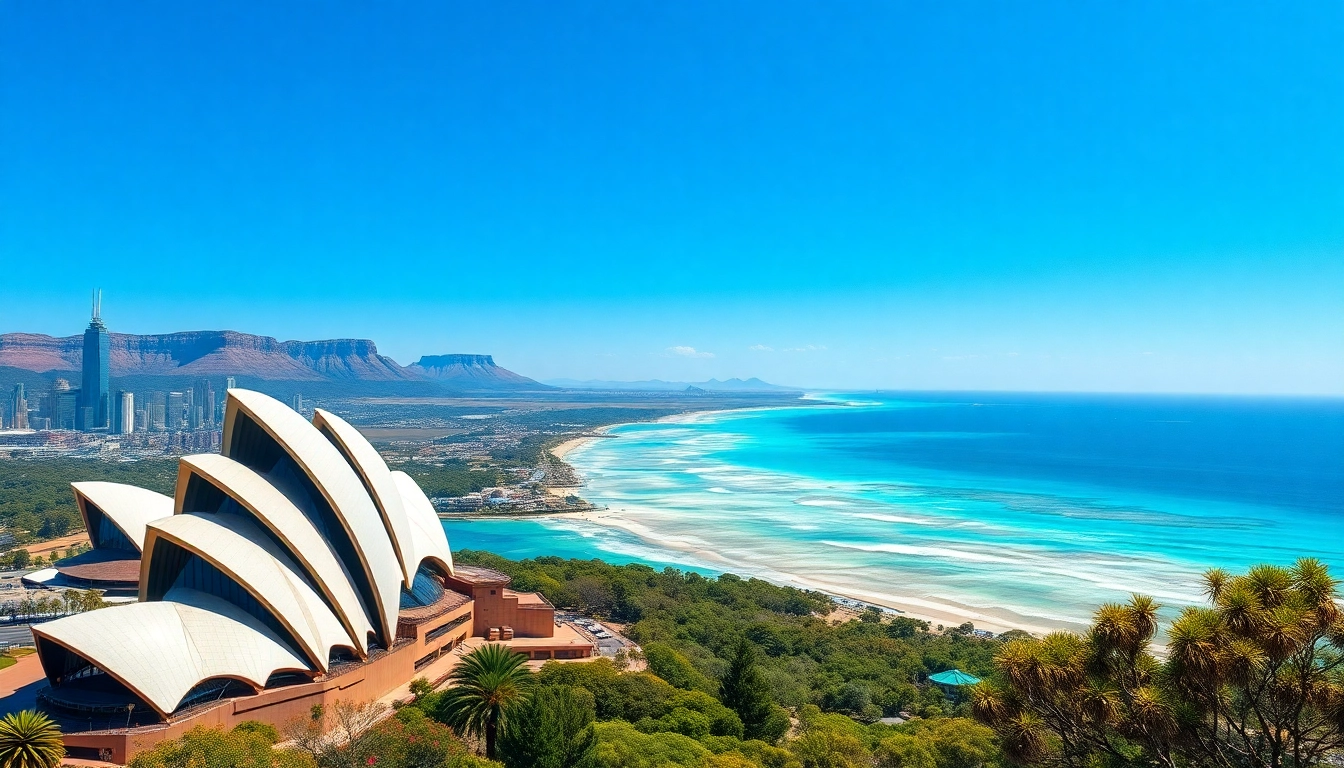
Among the most iconic landmarks is the Sydney Opera House, celebrated for its unique architecture and harborside location. The Great Barrier Reef, a UNESCO World Heritage Site, showcases the world's largest coral reef system, teeming with marine life. Uluru, also known as Ayers Rock, holds spiritual significance for Indigenous Australians and is a stunning natural formation in the heart of the Outback.
Other notable landmarks include the Twelve Apostles along the Great Ocean Road, the dramatic landscapes of Kakadu National Park, and the lush rainforests of Queensland's Daintree. Each location offers distinct experiences that showcase Australia's geographical and cultural diversity.
Australia's Unique Ecosystems
The biodiversity of Australia is remarkable, hosting an array of ecosystems that vary significantly from region to region. The Outback, characterized by arid landscapes, supports unique wildlife such as kangaroos and emus. In contrast, the coastal regions boast lush marine environments that are home to a wide variety of fish and corals.
Australia's ecosystems also face challenges, including climate change, habitat destruction, and invasive species. Conservation efforts are increasingly important to protect these unique environments and ensure they thrive for future generations. Educational programs about biodiversity and ecosystems help to foster a sense of responsibility among Australians to care for their land.
Climate Variations Throughout Australia
Australia's climate varies vastly due to its size, ranging from tropical in the north to temperate in the south. The northern regions generally experience a wet and dry season, while southern areas enjoy four distinct seasons. Understanding these climate variations is crucial, especially for travelers and residents alike, as it impacts lifestyle and leisure activities.
Moreover, extreme weather events such as bushfires, droughts, and floods are increasingly common, posing risks to both urban communities and natural ecosystems. Preparedness and adaptive strategies are essential to mitigate the impacts of climate change-related challenges Australia faces today.
Travel to Australia: Essential Tips
For those planning a trip to Australia, understanding the landscape, culture, and practicalities of travel is vital. The following sections provide essential tips to make your journey delightful and memorable.
Top Destinations to Visit in Australia
Australia is teeming with destinations that cater to a range of interests. Sydney, with its iconic harbor and beaches, is a must-visit for urban adventurers. Melbourne offers vibrant arts scenes and gastronomic delights. Nature enthusiasts will revel in the beauty of Tasmania or the Great Barrier Reef, while history buffs can explore the heritage sites in Canberra.
For those seeking adventure, the Outback promises unique experiences, from 4WD tours to camel rides. Additionally, Australia’s beaches, such as Bondi Beach and Whitehaven Beach, offer idyllic spots for relaxation and water sports.
Traveling Responsibly in Australia
Responsible travel is critical in protecting Australia's natural environment and supporting local communities. Tourists are encouraged to practice Leave No Trace principles, respect wildlife, and engage in eco-friendly practices. Seeking out local businesses helps to bolster the economy and ensures a more authentic experience of Australia.
Additionally, learning about Indigenous cultures and participating in cultural tours can provide deeper insights and foster respect for the heritage of the land. Visitors should ensure to engage sustainably, leaving minimal impact on the places they explore.
Visa and Entry Requirements for Australia
Travelers wishing to visit Australia must comply with visa regulations, which vary depending on nationality. Most international visitors need to apply for an electronic travel authority or a visitor visa before arrival. It is advisable to check the Australian government’s official immigration website for the latest entry requirements and updates regarding travel restrictions.
Customs regulations also play a crucial role in ensuring a smooth arrival. Travelers are advised to familiarize themselves with prohibited items and ensure all necessary documentation is in order prior to their journey.
Australia's Economy and Lifestyle
Australia boasts a robust economy and a high standard of living, influenced by the diverse industries that drive its growth. Those interested in moving to or working in Australia will benefit from understanding its economic landscape and lifestyle attributes.
Cost of Living in Australia
The cost of living in Australia varies significantly between cities and regions. Major cities like Sydney and Melbourne are often more expensive, particularly in terms of housing and utilities. However, other regions, such as Adelaide and Hobart, provide a more affordable lifestyle while still offering a high quality of life.
Budgeting for necessities such as food, transport, and healthcare is essential for residents. While grocery prices can be relatively high, many Australians enjoy dining out, with a plethora of dining options available across the country.
Working and Living in Australia
Australia maintains a thriving job market, appealing to skilled professionals across various fields including healthcare, engineering, and IT. The country is known for its work-life balance, and employers often emphasize a collaborative workplace culture. Understanding the working visa requirements is crucial for those considering relocation.
In general, the lifestyle in Australia is relaxed, with outdoor activities and sports forming a vital part of daily life. The country's beaches, parks, and numerous recreational facilities promote a healthy, active lifestyle.
Education and Healthcare Systems in Australia
Australia is home to a well-regarded education system, with primary and secondary schooling compulsory for children. The country’s universities frequently rank among the best in the world, attracting international students seeking quality education.
The healthcare system, funded both publicly and privately, offers Australia residents access to high-quality medical services. The Medicare system ensures that public hospital treatment is available to all citizens and permanent residents, contributing to the overall well-being of the population.
FAQs About Australia
What is the best time to visit Australia?
The best time to visit Australia varies by region, with spring (September to November) and autumn (March to May) offering ideal weather conditions for most areas.
What languages are spoken in Australia?
English is the primary language spoken in Australia; however, many Indigenous languages and community languages reflect the country's multicultural society.
Is Australia expensive to live in?
The cost of living can be high in major cities like Sydney and Melbourne, especially regarding housing, but it can vary significantly based on location and lifestyle choices.
What are some famous Australian foods?
Popular Australian foods include Vegemite, meat pies, pavlova, and lamingtons, showcasing a blend of Indigenous and European culinary influences.
Are there dangerous animals in Australia?
Yes, Australia is home to various wildlife, including snakes, spiders, and marine creatures; however, encounters with dangerous animals are rare when proper precautions are taken.