Understanding TradingView: The Basics
In the ever-evolving world of trading, having the right tools is essential for success. TradingView is a powerful platform that combines advanced charting capabilities with a vibrant community of traders and investors, making it a vital asset for anyone looking to navigate different markets effectively. This article delves into the basics of TradingView, its key features, and why it has become a go-to resource for both newcomers and seasoned traders.
What is TradingView and Its Key Features?
TradingView is a web-based platform that provides users with extensive tools for market analysis, charting, and trading. Some of its standout features include:
- Interactive Charts: Users can access a wide variety of chart types, including candlestick, line, and area charts, which can be customized to suit individual trading styles.
- Technical Indicators: TradingView offers a comprehensive library of indicators, from simple moving averages to complex oscillators, allowing traders to carry out in-depth analysis easily.
- Social Network: The platform fosters a community spirit where users can share ideas, strategies, and insights, creating a collaborative environment for learning.
- Alerts and Notifications: Traders can set up alerts based on price movements or indicator triggers, helping them stay informed without having to constantly monitor the markets.
Benefits of Using TradingView for Beginners
For beginners, TradingView presents numerous advantages:
- User-Friendly Interface: The platform is designed for ease of use, making it accessible for those new to trading.
- Educational Resources: With a wealth of tutorials, webinars, and community-driven content, new traders can quickly ramp up their knowledge and skills.
- Free Access: Many features are available for free, allowing beginners to explore the platform without financial investment.
Getting Started: Setting Up Your TradingView Account
Setting up a TradingView account is straightforward. Users can create a free account by visiting the tradingview website and following the prompts. After registration, users should take the time to familiarize themselves with the interface and explore various tools and features available to them.
Exploring TradingView Tools and Resources
Once you've set up your account, the real exploration begins. TradingView is packed with resources that cater to both the analytical and social aspects of trading.
Leveraging Charts and Technical Analysis Tools
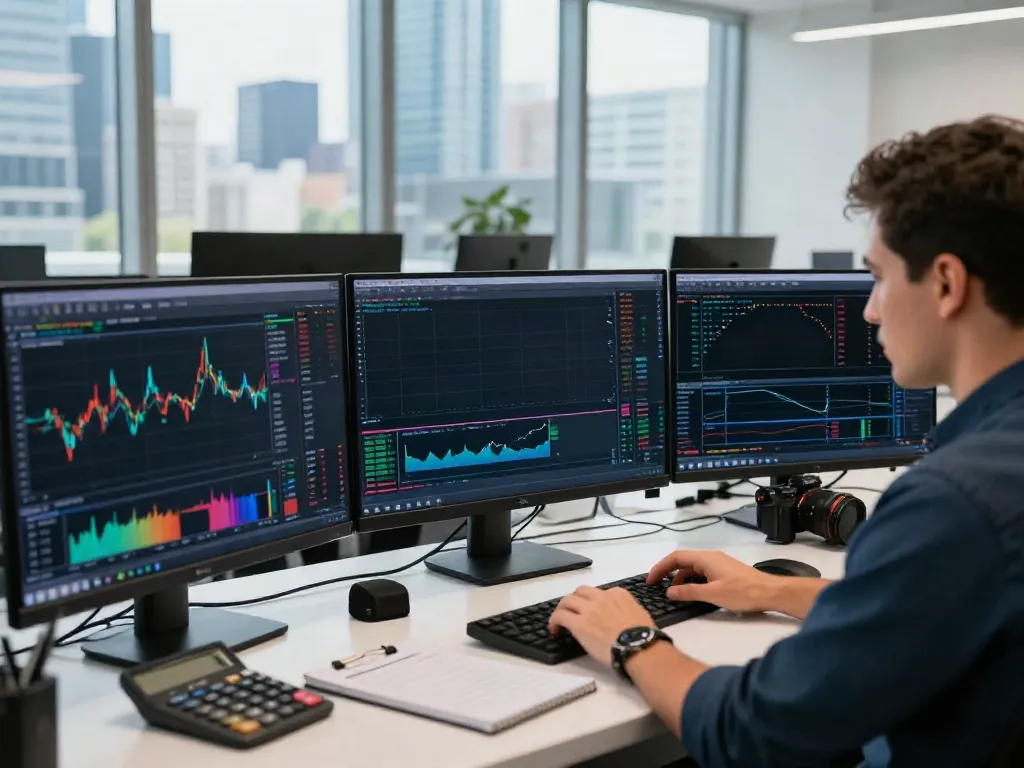
The heart of TradingView lies in its charting capabilities. Users can leverage various tools, such as Fibonacci retracement lines, trend lines, and patterns to enhance their analysis. The ability to draw directly on charts allows traders to customize their technical analysis, making it easier to identify potential entry and exit points.
Customizing Your Workspace for Enhanced Efficiency
Every trader has unique preferences when it comes to analyzing markets. TradingView allows users to customize their workspace by rearranging charts, indicators, and tools according to their workflow. Saving different layouts for various trading strategies can significantly improve efficiency.
Utilizing Community Features for Learning and Growth
One of the unique aspects of TradingView is its community features. Traders can follow others, share their analyses, and receive feedback. Engaging with the community provides invaluable learning opportunities and insights that can enhance one’s trading strategies.
Common Challenges When Using TradingView
Despite its user-friendly design, TradingView can present challenges, especially for beginners. Understanding these challenges can help users navigate the platform more effectively.
Navigating Complex Features as a Beginner
While the basic functions of TradingView are simple to grasp, the platform also offers advanced features that can be overwhelming. Beginners may need to invest time in exploring the full range of tools and settings to maximize their experience.
Understanding Market Data and Visualizations
The plethora of market data and visualizations available can be confusing. Users must be diligent in learning how to interpret this data accurately. Familiarizing oneself with various data types and how they can affect trading decisions is crucial.
Overcoming Analysis Paralysis: Focus on Key Metrics
With so much data available, traders often experience analysis paralysis—overthinking decisions due to excessive information. It is important for traders to identify key metrics that align with their strategy and focus on those to make informed decisions without getting bogged down by irrelevant data.
Best Practices for Effective Trading on TradingView
To make the most out of TradingView, traders should consider implementing best practices that can streamline their trading process and enhance outcomes.
Developing a Trading Plan Using TradingView
A well-structured trading plan is essential for success. Traders should utilize TradingView to develop a plan that outlines their goals, risk management strategies, and the indicators they intend to use for analysis. This structured approach can help maintain discipline and clarity.
Creating and Managing Watchlists for Optimal Trading
Watchlists are critical for keeping track of potential trades. Users can create customized watchlists on TradingView to monitor specific stocks, commodities, or forex pairs, making it easier to stay informed about movements that require attention.
Utilizing Alerts and Notifications to Stay Ahead
Taking advantage of TradingView’s alert functionality is a must. By setting alerts for key price levels or indicator changes, traders can receive notifications that allow them to act quickly, capitalizing on opportunities as they arise.
Future of TradingView: Trends and Predictions for 2026
As the trading landscape continues to evolve, so too does TradingView. Understanding potential future trends can help users adapt their strategies accordingly.
Emerging Features and Tools on TradingView
In the coming years, TradingView is expected to introduce even more advanced features, including AI-driven tools that analyze market sentiments and provide real-time trading insights. These developments will make the platform even more powerful for traders seeking an edge in the market.
How TradingView is Adapting to Market Changes
TradingView has shown an impressive ability to adapt to market changes, integrating user feedback to enhance their offerings continually. As new trading instruments and platforms emerge, we can expect TradingView to incorporate these into their services.
Preparing for Future Trading Trends and Technologies
Traders should remain proactive by staying informed about technological advancements in trading. Cloud-based analytics, enhanced data visualizations, and increased mobile functionality are just some trends that may redefine how users interact with TradingView.
What is TradingView’s Role in the Evolving Trading Landscape?
TradingView’s role as a leading trading platform is anticipated to strengthen as it continues to innovate and expand its user base. By offering tools that empower individual traders and by fostering a collaborative community, TradingView is likely to remain a central hub for trading education and practice for years to come.