
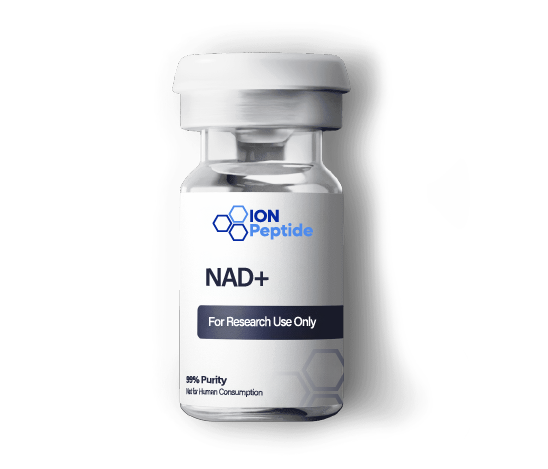
Introduction to NAD+ and Its Research Importance
NAD+ has emerged as one of the most significant biomolecules in modern biochemical and pharmaceutical research. As a coenzyme found in all living cells, NAD+ plays a central role in metabolic processes, energy production, and cellular repair mechanisms. The growing scientific interest in NAD+ has led to an increase in the development and distribution of NAD+ research products, making analytical testing an essential component in ensuring their quality, safety, and reliability.
Analytical testing of NAD+ research products is not simply a routine procedure; it is a critical process that validates the integrity of compounds used in laboratories worldwide. Researchers rely heavily on the accuracy and consistency of NAD+ materials, and without proper testing protocols, experimental outcomes can become unreliable. This makes analytical verification a cornerstone in the advancement of NAD+ research.
The Role of Analytical Testing in NAD+ Research
Analytical testing serves as the backbone of quality assurance for NAD+ research products. It ensures that the compounds being used meet predefined standards of purity, concentration, and stability. In the context of NAD+, even minor impurities can significantly alter experimental results, making precise testing indispensable.
Laboratories utilize a variety of analytical techniques to evaluate NAD+ products. These methods help determine whether the NAD+ compound is suitable for sensitive research applications. Through rigorous testing, scientists can confirm that NAD+ maintains its biochemical properties under different experimental conditions, thereby supporting reproducibility and accuracy in scientific studies.
Common Analytical Techniques Used for NAD+ Testing
The testing of NAD+ research products involves several advanced analytical techniques. High-performance liquid chromatography is widely used to assess the purity of NAD+. This method separates components within a sample and allows researchers to detect impurities that may compromise the integrity of NAD+.
Mass spectrometry is another powerful tool used in the analysis of NAD+. It provides detailed information about the molecular structure and composition of NAD+, ensuring that the compound matches its expected profile. Nuclear magnetic resonance spectroscopy is also employed to confirm the structural authenticity of NAD+, offering insights into its molecular configuration.
These techniques collectively ensure that NAD+ research products meet the stringent requirements of scientific investigation. Without such methods, it would be nearly impossible to guarantee the reliability of NAD+ in experimental settings.
Purity Assessment and Its Impact on NAD+ Research
Purity is one of the most critical factors in evaluating NAD+ research products. High-purity NAD+ is essential for obtaining accurate and reproducible results. Impurities can interfere with biochemical reactions, leading to misleading conclusions and compromised data.
Analytical testing focuses heavily on identifying and quantifying impurities in NAD+ samples. This involves comparing the sample against known standards and determining the percentage of pure NAD+ present. Researchers often require NAD+ with purity levels exceeding strict thresholds to ensure the validity of their experiments.
The importance of purity extends beyond laboratory accuracy. It also influences the credibility of research findings. Studies conducted with high-quality NAD+ are more likely to be accepted within the scientific community, reinforcing the need for thorough analytical testing.
Stability Testing of NAD+ Compounds
Stability testing is another crucial aspect of analytical evaluation for NAD+ research products. NAD+ is a sensitive molecule that can degrade under certain environmental conditions, such as exposure to light, heat, or moisture. This degradation can significantly impact its effectiveness in research applications.
Through stability testing, scientists assess how NAD+ behaves over time and under various storage conditions. These tests help determine the shelf life of NAD+ products and provide guidelines for proper handling and storage. Maintaining the stability of NAD+ ensures that its biochemical properties remain intact throughout its use.
Reliable stability data allows researchers to plan experiments with confidence, knowing that the NAD+ they are using will perform consistently. This is particularly important in long-term studies where the integrity of NAD+ must be preserved over extended periods.
Quantification Methods for NAD+ Accuracy
Accurate quantification of NAD+ is essential for experimental precision. Researchers must know the exact concentration of NAD+ in their samples to ensure proper dosing and measurement in their studies. Analytical testing provides the tools needed to achieve this level of accuracy.
Spectrophotometric analysis is commonly used to measure NAD+ concentration. This technique relies on the absorption of light at specific wavelengths to determine the amount of NAD+ present in a sample. Enzymatic assays are also employed to quantify NAD+, offering high sensitivity and specificity.
These quantification methods are vital for maintaining consistency across experiments. Without accurate measurement, variations in NAD+ concentration could lead to inconsistent results, undermining the reliability of research findings.
Quality Control Standards in NAD+ Testing
Quality control standards play a significant role in the analytical testing of NAD+ research products. These standards establish the criteria that NAD+ must meet before it can be deemed suitable for research use. They encompass aspects such as purity, stability, and concentration.
Laboratories follow strict protocols to ensure that NAD+ products comply with these standards. This includes routine testing, calibration of instruments, and validation of analytical methods. By adhering to these practices, researchers can trust that the NAD+ they are using meets the highest levels of quality.
Quality control also involves documentation and traceability. Each batch of NAD+ is carefully recorded, allowing researchers to track its origin and testing history. This transparency is essential for maintaining confidence in NAD+ research materials.
Challenges in Analytical Testing of NAD+ Products
Despite advancements in analytical techniques, testing NAD+ research products presents several challenges. The sensitivity of NAD+ to environmental factors makes it difficult to maintain its stability during testing. Even slight variations in temperature or pH can affect the results.
Another challenge lies in detecting low-level impurities. Advanced instrumentation is required to identify trace contaminants in NAD+ samples. This often involves significant investment in equipment and expertise, which may not be accessible to all laboratories.
Additionally, standardization across laboratories can be difficult to achieve. Different testing methods and protocols can lead to variations in results, highlighting the need for harmonized approaches in NAD+ analysis.
Innovations in NAD+ Analytical Testing
The field of analytical testing for NAD+ research products continues to evolve with technological advancements. New methods are being developed to improve the accuracy, speed, and efficiency of NAD+ analysis. These innovations are helping researchers overcome existing challenges and enhance the reliability of their findings.
Automation is playing an increasingly important role in NAD+ testing. Automated systems reduce human error and increase throughput, allowing laboratories to analyze larger numbers of samples with greater consistency. Advances in detection technologies are also improving the sensitivity of NAD+ analysis, enabling the identification of even the smallest impurities.
These innovations are driving progress in NAD+ research by ensuring that high-quality materials are available for scientific investigation. As technology continues to advance, the analytical testing of NAD+ is expected to become even more precise and efficient.
The Future of NAD+ Research and Testing
The future of NAD+ research is closely tied to the development of robust analytical testing methods. As interest in NAD+ continues to grow, the demand for high-quality research products will increase. This will require ongoing improvements in testing techniques and quality control standards.
Emerging fields such as biotechnology and regenerative medicine are likely to place even greater emphasis on the accuracy and reliability of NAD+ products. Analytical testing will play a crucial role in supporting these advancements by ensuring that NAD+ meets the necessary standards for cutting-edge research.
Collaboration between laboratories, regulatory bodies, and manufacturers will be essential in shaping the future of NAD+ testing. By working together, these stakeholders can establish consistent standards and promote the use of high-quality NAD+ in scientific studies.
Conclusion
Analytical testing of NAD+ research products is a fundamental aspect of modern scientific investigation. It ensures that NAD+ meets the highest standards of purity, stability, and accuracy, enabling researchers to conduct reliable and reproducible experiments. Through the use of advanced analytical techniques, laboratories can verify the quality of NAD+ and support the integrity of their findings.
As the importance of NAD+ continues to grow in various fields of research, the role of analytical testing will become even more critical. By maintaining rigorous testing protocols and embracing technological advancements, the scientific community can ensure that NAD+ remains a trusted and valuable resource for discovery and innovation.